Chimney Repair Cost 2026: Common Fixes, Warning Signs & Safety
Your chimney endures some of the harshest conditions of any part of your home — battered by weather from above and by heat, smoke, and acidic byproducts from below. Left unmaintained, chimney problems threaten not just water damage but carbon monoxide leaks and chimney fires. Yet chimneys are easy to ignore until something goes visibly wrong. This 2026 guide covers common chimney repairs, realistic costs, warning signs, and how to keep your chimney safe and sound whether you burn wood, gas, or nothing at all.
Why Chimney Maintenance Matters
A chimney is both a structural masonry element and a safety-critical venting system. Deteriorating mortar and bricks let water into the structure and eventually into your home. A cracked flue liner can allow heat or combustion gases — including deadly carbon monoxide — to reach framing or living spaces. Creosote buildup in a wood-burning flue is the leading cause of chimney fires. Regular inspection and timely repair protect your home from water damage, structural failure, and life-threatening safety hazards, which is why annual chimney checks are strongly recommended for any active fireplace.
Common Chimney Repairs and Their Costs
- Tuckpointing (repairing mortar joints): $500–$2,500
- Chimney crown repair or rebuild: $300–$3,000
- Flashing repair or replacement: $300–$1,500
- Chimney cap installation: $150–$600
- Flue liner replacement: $2,000–$7,000
- Waterproofing/sealing: $300–$800
- Partial or full chimney rebuild: $1,500–$10,000+
UK, Canadian, and Australian pricing tracks similar ranges in local currency.
Warning Signs Your Chimney Needs Repair
Chimney trouble announces itself in several ways. Watch for white staining (efflorescence) on the exterior brick, crumbling or missing mortar, spalling bricks that flake and pop, rust on the damper or firebox, water stains on ceilings or walls near the chimney, a damaged or missing chimney cap, and a strong smoky or musty odor. Inside, a fireplace that draws poorly or fills the room with smoke can signal a blockage or liner problem. Any of these warrants a professional inspection before small issues escalate into structural or safety failures.
Chimney Flashing: A Frequent Leak Source
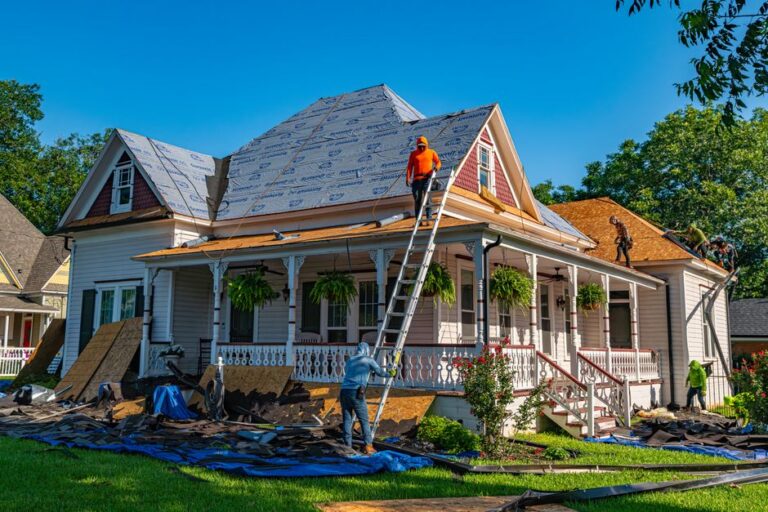
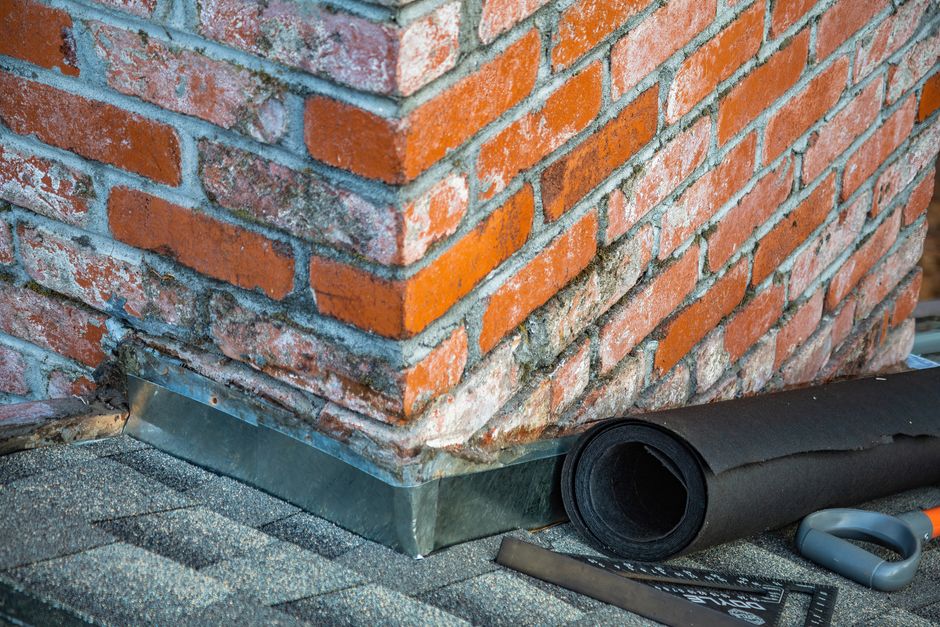
The junction where the chimney passes through the roof is one of the most common leak points on the entire house. Flashing — the metal weatherproofing that seals this gap — deteriorates, lifts, or was poorly installed to begin with, letting water run down the chimney into the attic and walls. Proper repair involves step flashing woven into the roofing courses and counter-flashing set into the mortar joints, not a smear of sealant. Because it sits at the roof-chimney intersection, flashing work is often coordinated with roofing repairs for a lasting, watertight result.
The Chimney Crown and Cap
The crown is the sloped concrete or masonry top that sheds water away from the flue; when it cracks, water seeps into the chimney structure and accelerates decay. The cap is the mesh-and-cover fitting over the flue opening that keeps out rain, animals, and debris while acting as a spark arrestor. A missing cap invites nesting birds, squirrels, and moisture, and a cracked crown is a leading cause of chimney deterioration. Both are relatively inexpensive to repair or install and deliver outsized protection for the money.
Tuckpointing and Masonry Repair
Over time the mortar joints between chimney bricks erode from weather and acidic flue gases, weakening the structure and admitting water. Tuckpointing — grinding out the failing mortar and repacking the joints with fresh, color-matched mortar — restores both strength and appearance and is one of the most common chimney repairs. Caught early, tuckpointing is far cheaper than the alternative: once mortar loss lets bricks shift, spall, or the chimney begins to lean, you face a partial or full rebuild costing many times more. Addressing crumbling mortar promptly is classic preventive maintenance.
Chimney Sweeping and Inspection Levels
For wood-burning fireplaces, annual sweeping removes creosote — the flammable tar that fuels chimney fires — and typically costs $150–$400. Professional inspections come in three levels: Level 1 is a basic visual check for a chimney in regular use with no changes; Level 2 adds video scanning of the flue and is required for property sales or after events like a chimney fire; Level 3 involves removing components to access concealed areas when serious hazards are suspected. Match the inspection level to your situation, and never skip the annual sweep-and-check on an active wood-burning chimney.
DIY vs Professional Chimney Work
Chimney work combines height, structural masonry, and life-safety systems, so the DIY window is narrow. Homeowners can reasonably install a chimney cap on an accessible flue or apply masonry water repellent from a stable position. But tuckpointing, crown repair, flue relining, flashing integration, and anything involving combustion safety belong to certified chimney professionals and roofers. Mistakes here are not merely cosmetic — they can cause fires, carbon monoxide intrusion, or structural collapse. The cost of professional work is small next to those risks.
Waterproofing and Preventive Care
Because masonry is porous, water is a chimney’s slow-motion enemy, and preventive care is cheaper than repair. A breathable masonry water repellent, reapplied every 5–10 years, lets the chimney release internal moisture while blocking rain from soaking in — dramatically slowing freeze-thaw damage. Pair it with a sound crown, a proper cap, and intact flashing, and keep gutters and the surrounding roof clear so runoff never pools against the base. Trim back overhanging branches that trap damp and drop debris into the flue. This simple maintenance package costs a few hundred dollars yet can add decades to a chimney’s life and head off the expensive structural repairs that neglect invites.
Conclusion
Your chimney demands respect: it is a structural element and a safety system exposed to the worst of both weather and fire. Learn the warning signs — crumbling mortar, spalling brick, staining, and poor draw — and act early, when a $500 tuckpointing or crown repair can prevent a $10,000 rebuild. Schedule annual inspections and sweeps for active fireplaces, keep the cap and crown in good order, and rely on certified professionals for repairs. A well-maintained chimney keeps your home warm, dry, and safe for generations.