Roof Inspection Guide 2026: Cost, Checklist & How Often to Inspect
A roof inspection is the cheapest insurance you can buy for one of your home’s most expensive systems. For a modest fee — or sometimes free — a professional can catch a minor flashing gap or a few lifted shingles before they become a ceiling-staining, mold-breeding, five-figure disaster. Yet most homeowners never schedule one until water is already dripping. This 2026 guide explains what a roof inspection covers, what it costs, how often you need one, and how to prepare, whether you are in the US, UK, Canada, or Australia.
Why Regular Roof Inspections Matter
Roofs fail slowly and invisibly. Small problems — a cracked boot around a vent, a lifted shingle, hairline flashing separation — let water seep in gradually, rotting decking and framing and breeding mold long before a stain appears on your ceiling. By the time damage is visible indoors, repairs are far more extensive and expensive. Regular inspections catch these issues early, extend roof life, preserve warranty coverage (many manufacturers require documented maintenance), and provide crucial evidence for insurance and real-estate transactions.
How Often Should You Inspect Your Roof?
The general rule is at least once a year, ideally in autumn before winter weather or in spring after it. Additionally, always inspect after any major weather event — hail, high winds, heavy snow, or a fallen branch. Older roofs (15+ years) benefit from twice-yearly checks, and you should schedule an inspection whenever buying or selling a home. Between professional visits, a quick ground-level look with binoculars after storms helps you spot obvious problems early.
What a Professional Roof Inspection Covers
A thorough inspection examines four areas:
- Structural: sagging, roof-line straightness, and signs of deck or rafter deflection
- Material: missing, cracked, curling, or blistered shingles; loose granules; rust or membrane damage
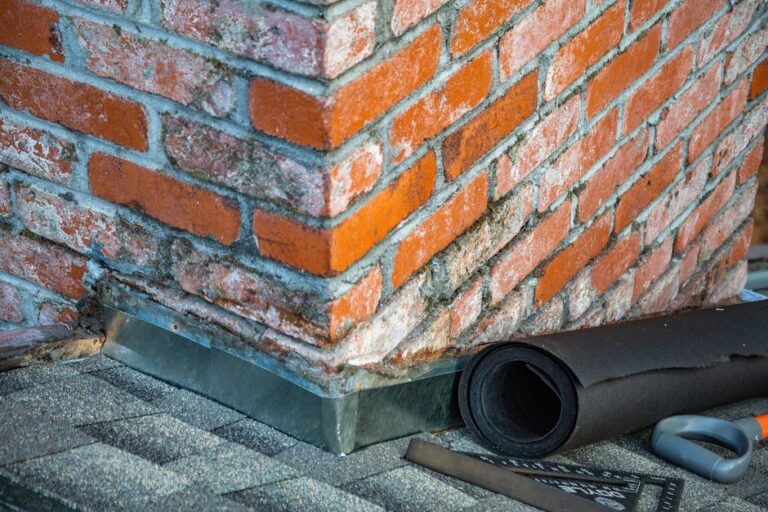
- Flashing and penetrations: chimneys, vents, skylights, valleys, and the seals around them
- Interior and attic: water stains, damp insulation, daylight through the deck, mold, and ventilation adequacy
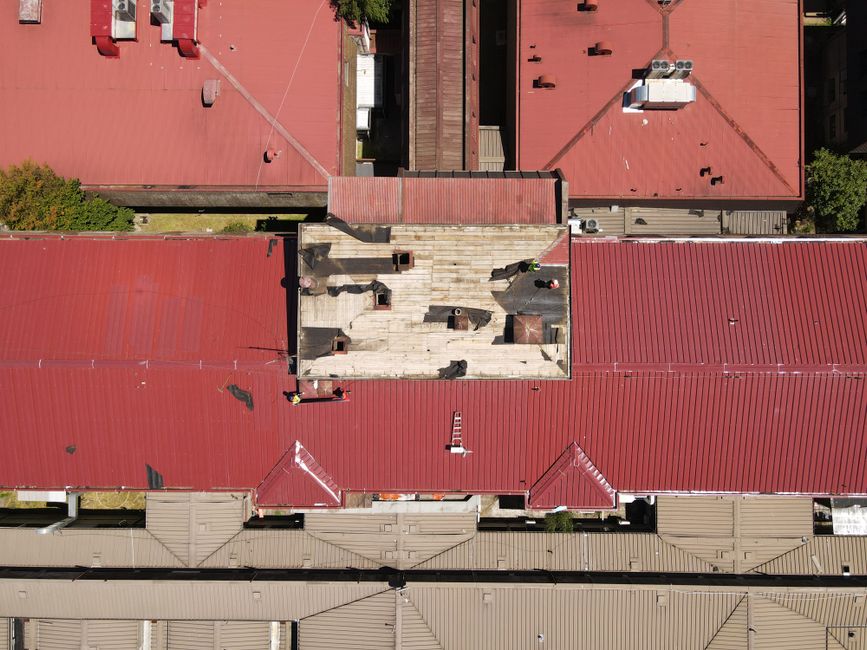
Many inspectors now add drone or infrared moisture scanning for a more complete picture.
Roof Inspection Cost in 2026
A standard professional roof inspection in 2026 costs $150–$400 USD, with many roofing companies offering free inspections in hopes of winning repair work. Specialized inspections cost more: drone inspections $200–$500, infrared moisture surveys $400–$800, and a detailed report for a real-estate transaction $300–$650. UK homeowners pay £100–£350, Canadians CA$200–CA$500, and Australians AU$250–AU$600. Given what they prevent, inspections are among the highest-value home maintenance dollars you can spend.
DIY Roof Inspection Checklist
Between professional visits, you can safely check several things from the ground and inside your home without climbing on the roof:
- Scan the roof with binoculars for missing, lifted, or discolored shingles
- Check gutters for accumulated granules — a sign of aging shingles
- Look for sagging areas or a wavy roofline
- Inspect the attic for water stains, daylight, damp insulation, or a musty smell
- Examine ceilings and upper walls indoors for stains or bubbling paint
- Note any moss, algae, or plant growth on the roof surface
Leave any actual roof-walking to insured professionals.
Roof Inspections When Buying or Selling
A roof is a make-or-break item in real-estate deals. Buyers should insist on a dedicated roof inspection beyond the general home inspection, since a roof near the end of its life can cost tens of thousands to replace and may affect mortgage approval or insurance eligibility. Sellers benefit from a pre-listing inspection that lets them fix small issues, document the roof’s condition, and avoid last-minute negotiation surprises. A clean, recent inspection report reassures buyers, lenders, and appraisers alike, and can prevent a deal from collapsing over roof uncertainty.
Understanding the Inspection Report
A good report does more than list defects. Expect clear photographs of each issue, an assessment of the roof’s remaining useful life, a distinction between urgent repairs and items to monitor, and estimated costs or recommended next steps. Ask the inspector to explain the difference between cosmetic wear and functional problems so you can prioritize spending. Keep every report on file — the running history documents maintenance for warranty claims, supports insurance filings, and demonstrates diligent care to future buyers.
Choosing a Qualified Inspector
Not all inspections are equal. For routine checks, an established, licensed, insured roofing contractor with strong local reviews is ideal and often inspects for free. For real-estate transactions, consider an independent certified inspector with no financial stake in selling you repairs, to avoid conflicts of interest. Verify credentials, ask what the inspection includes (ground, roof-walk, attic, drone, infrared), and get the findings in writing with photos. Be cautious of anyone who inspects for free and immediately pressures you into costly, urgent work without clear evidence.
Seasonal and Climate Considerations
What an inspection prioritizes shifts with your climate and the calendar. In snow-belt regions of Canada and the northern US, autumn inspections focus on ice-dam risk, gutter readiness, and flashing integrity before freeze-thaw cycles begin, while spring checks assess winter’s toll. In hurricane-prone coastal areas, a pre-season inspection verifies fastening and flashing can withstand high winds. In wildfire zones of Australia and the western US, inspectors check for ember-catching debris in valleys and gaps. Hot, high-UV climates accelerate shingle aging, warranting more frequent material checks, and wet UK-style climates emphasize moss control and drainage. Timing your inspections to your region’s harshest season ensures problems are caught before the weather that would exploit them arrives.
Conclusion
Regular roof inspections are a small, smart investment that protects a large one. Schedule a professional check at least annually and after every major storm, use the DIY checklist between visits, and keep every report on file. Whether you are maintaining your current home, buying, or selling, a documented, well-understood roof condition saves money, prevents nasty surprises, and keeps your home dry and protected. At $150–$400 a visit, few maintenance tasks deliver a better return.