Roofing Materials Comparison 2026: Cost, Lifespan & Best Uses
Choosing a roofing material is one of the most consequential home decisions you will make: it affects your budget for decades, your home’s appearance and resale value, your energy bills, and how well your house withstands your local climate. With asphalt, metal, tile, slate, wood, and synthetic options all competing for your money in 2026, the choice can feel overwhelming. This side-by-side comparison breaks down cost, lifespan, weight, and best use for every major roofing material so you can decide with confidence.
How to Compare Roofing Materials
Look beyond the sticker price. The smartest comparison weighs five factors together: upfront installed cost, expected lifespan (and therefore cost per year), weight and structural requirements, climate and fire suitability, and aesthetics or resale impact. A material that costs twice as much but lasts three times as long can be the cheaper choice over the life of the home — but only if you stay long enough to realize the savings.
Asphalt Shingles
Cost: $4.50–$9 per sq ft. Lifespan: 15–30 years. The default choice for good reason — affordable, versatile, easy to install and repair, and available everywhere. Architectural shingles offer the best mainstream value. Downsides are the shortest lifespan among common materials and vulnerability to extreme heat and high wind. Best for budget-conscious homeowners and those planning to move within 15–20 years.
Metal Roofing
Cost: $8–$16 per sq ft. Lifespan: 40–70 years. Exceptionally durable, fire- and wind-resistant, energy-efficient, lightweight, and recyclable. Higher upfront cost and the need for a skilled installer are the trade-offs. Best for long-term owners, severe-weather and wildfire zones, and anyone wanting the lowest lifetime maintenance.
Clay and Concrete Tile
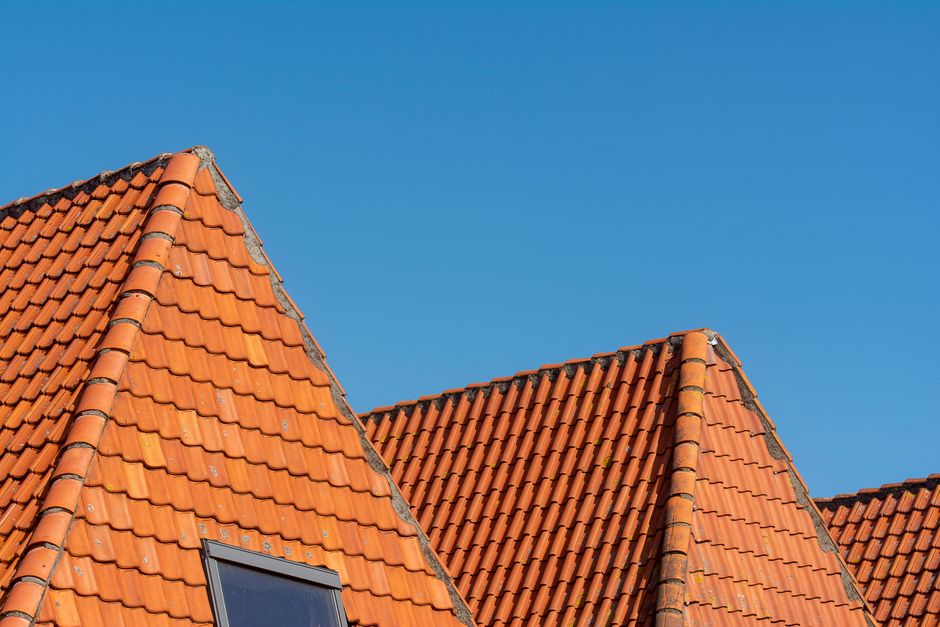
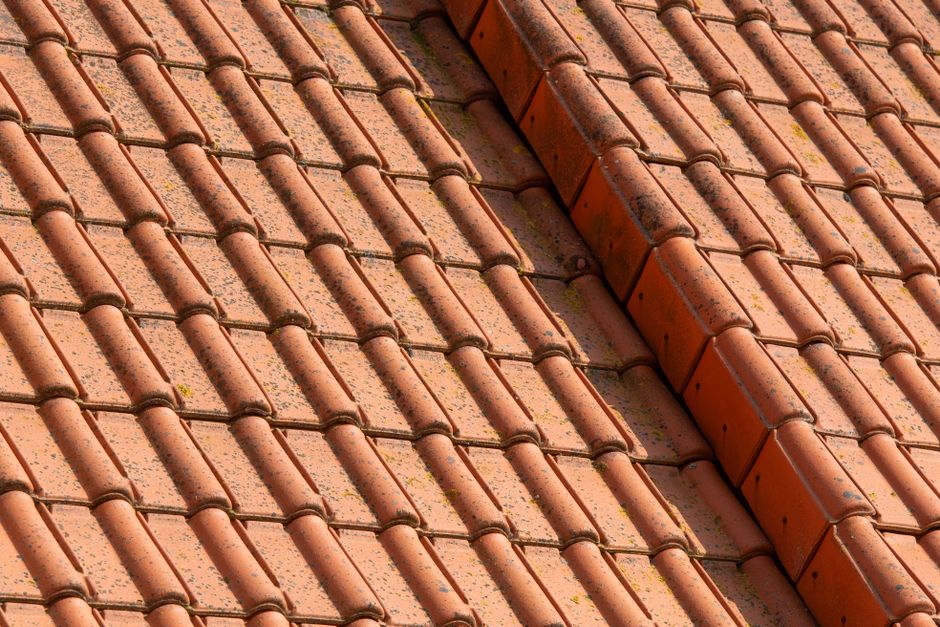
Cost: $10–$25 per sq ft. Lifespan: 50–100 years. Beautiful, extremely long-lived, fire-resistant, and superb in hot and coastal climates — the classic Mediterranean and Australian look. The catch is significant weight, often requiring reinforced framing, plus a high price and fragility underfoot. Best for hot climates and homeowners seeking a distinctive, permanent roof.
Natural Slate
Cost: $15–$30+ per sq ft. Lifespan: 75–150 years. The premium, near-permanent roof — stunning, fireproof, and capable of outlasting the house itself. It is also the heaviest and most expensive option, demanding structural support and specialist installers. Best for heritage properties, luxury homes, and owners who view the roof as a multi-generational investment.
Wood Shingles and Shakes
Cost: $7–$14 per sq ft. Lifespan: 25–40 years. Cedar shingles and shakes deliver a warm, natural, rustic beauty that ages gracefully and insulates well. But they require regular maintenance, are vulnerable to rot and insects, and — critically — pose a fire risk that has led to restrictions or bans in wildfire-prone areas. Best for mild, dry-to-moderate climates and homeowners committed to upkeep and a natural look.
Synthetic and Composite Roofing
Cost: $8–$14 per sq ft. Lifespan: 30–50 years. Engineered polymer products convincingly mimic slate or shake at a fraction of the weight and price, with strong impact and fire ratings and low maintenance. As a newer category, long-term field data is still accumulating and quality varies by brand. Best for homeowners wanting a high-end look without the weight or cost of natural materials.
Side-by-Side Cost and Lifespan Summary
- Asphalt: $4.50–$9/sq ft, 15–30 yrs — lowest cost, shortest life
- Wood shake: $7–$14/sq ft, 25–40 yrs — natural look, high maintenance
- Metal: $8–$16/sq ft, 40–70 yrs — best lifetime value in tough climates
- Synthetic: $8–$14/sq ft, 30–50 yrs — light, high-end look
- Tile: $10–$25/sq ft, 50–100 yrs — heavy, gorgeous, hot-climate king
- Slate: $15–$30+/sq ft, 75–150 yrs — the permanent luxury roof
Matching Material to Climate
Climate should steer your shortlist. In wildfire zones, favor metal, tile, or slate and avoid wood. In hurricane and high-wind coastal areas, metal and tile with proper fastening excel. In hot, sunny regions, reflective metal or tile keep homes cooler. In heavy-snow country, metal sheds snow while steep-pitched shingles handle load well. In wet, temperate UK-style climates, slate and quality tile shine. Always confirm your choice meets local building codes and any homeowners’ association rules before buying.
Material weight is easy to overlook but structurally decisive. Asphalt and metal are light and drop onto standard framing without changes. Tile and especially slate are heavy — often three to five times the weight of asphalt — and may require an engineer’s assessment and reinforced rafters, adding thousands to the project. Installer availability matters too: nearly every crew installs asphalt, fewer are certified for metal, and genuine tile and slate specialists can be scarce and booked out. Factor both structural upgrades and installer lead times into your timeline and budget, not just the per-square-foot material price.
Your roof is the largest visible surface of your home and a major driver of curb appeal and buyer confidence. A new architectural asphalt roof reliably recoups 60–68% of its cost at sale and reassures inspectors and lenders. Premium metal, tile, and slate roofs can be marketed as lifetime features that set a listing apart, particularly in upscale or climate-challenged markets where buyers value durability. Conversely, an aging or mismatched roof can suppress offers or trigger price reductions. When choosing, weigh not just protection and cost but how the material fits your neighborhood and what future buyers in your region expect.
Conclusion
There is no single best roofing material — only the best fit for your climate, budget, home style, and how long you plan to stay. Asphalt wins on affordability, metal on lifetime value, tile and slate on longevity and beauty, wood on natural charm, and synthetics on light-weight versatility. Weigh cost per year alongside upfront price, factor in your local weather, and get quotes from installers experienced with your chosen material. The right choice protects and beautifies your home for a generation or more.