
Soffit and Fascia Replacement Cost 2026: Materials & Warning Signs
Soffit and fascia are two of the most overlooked components of your roofline, yet they play a vital role in protecting your home from water damage, pests, and poor ventilation. Tucked under the eaves and along the roof edge, they finish the roof, support the gutters, and let your attic breathe. When they rot or fail, the consequences ripple through the entire roof structure. This 2026 guide explains what soffit and fascia are, what replacement costs, material options, and the warning signs every homeowner should watch for.
What Are Soffit and Fascia?
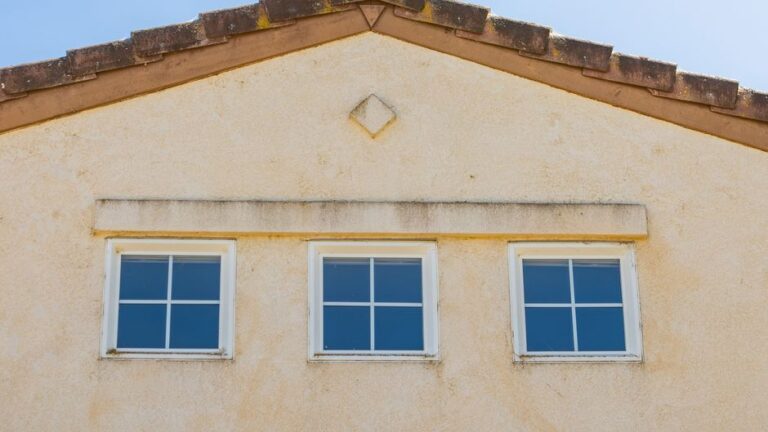
The fascia is the vertical board running horizontally along the roof edge, capping the ends of the rafters. It carries the gutters and creates the clean finished line you see from the street. The soffit is the underside surface bridging the gap between the fascia and the exterior wall, tucked beneath the overhanging eave. Together they seal the roof edge against weather and pests while allowing controlled airflow into the attic through vented soffit panels.
Why Soffit and Fascia Matter
These components punch far above their weight. The fascia provides a solid, straight mounting surface for gutters and blocks wind-driven rain from getting behind the roof edge. Vented soffits are the primary intake for attic ventilation, drawing cool air in at the eaves so hot, moist air can escape at the ridge. Without this airflow, attics overheat, shingles bake from below, condensation breeds mold, and ice dams form in winter. Soffits also seal the eaves against birds, squirrels, wasps, and rodents seeking a way into your attic.
Common Soffit and Fascia Materials
- Wood: traditional and attractive but prone to rot and needing regular painting
- uPVC / vinyl: the popular modern choice — rot-proof, low-maintenance, and affordable
- Aluminum: durable, rust-resistant, and often paired with metal gutters
- Fiber cement: tough, fire-resistant, and paintable, at a higher cost
- Composite/engineered board: the look of wood with far better moisture resistance
Soffit and Fascia Replacement Cost in 2026
Replacement is priced per linear foot. In 2026 expect $6–$20 per linear foot installed for fascia and $5–$18 per linear foot for soffit, material dependent. For an average home with 150–200 linear feet, a full soffit and fascia replacement typically runs $2,000–$6,000 USD (£1,200–£4,000; CA$2,500–CA$7,500; AU$3,000–AU$8,500). uPVC is the budget-friendly middle ground; wood and fiber cement cost more, and two-story access raises labor.
Warning Signs of Soffit and Fascia Damage
Because these boards sit high and out of sight, damage often advances before you notice. Key red flags include peeling or bubbling paint, visibly rotting or crumbling wood, sagging gutters pulling away from the roofline, water stains along the eaves, and daylight or gaps where panels have shifted. Signs of pests — droppings, nesting material, wasp activity, or scratching sounds in the attic — often mean animals have exploited a soffit gap. Any of these warrants a close inspection before water works its way into the rafters and decking.
The Link to Attic Ventilation
Soffit vents are half of a balanced ventilation system, working in tandem with ridge or roof vents. Cool air enters low at the soffits and warm air exhausts high at the ridge, creating continuous airflow that keeps the attic dry and temperature-stable. Blocking soffit vents with insulation, paint, or debris — a surprisingly common mistake — chokes this system and causes the very moisture and heat problems the vents exist to prevent. When replacing soffits, upgrading to continuous vented panels and installing baffles to keep insulation clear of the vents is one of the highest-value improvements you can make.
Repair vs Full Replacement
If damage is limited to one or two boards and the surrounding structure is sound, spot repair or single-board replacement is cost-effective. But when rot is widespread, when multiple sections sag, or when the material is old wood nearing the end of its life, full replacement in a durable material like uPVC or aluminum is the smarter long-term move. Replacing everything at once ensures a uniform appearance, lets you upgrade ventilation, and is often best combined with gutter or roof-edge work since the areas overlap and share access costs.
DIY vs Professional Installation
Soffit and fascia work happens at height along the roof edge, frequently on ladders or scaffolding, and requires removing and reinstalling gutters. While a skilled DIYer can replace a single ground-floor fascia board, full replacement — especially on a two-story home — is best left to professionals who can work safely, ensure a straight gutter-mounting line, integrate ventilation correctly, and spot hidden rafter-tail rot. The labor is a significant share of the cost, but a poor job leads to sagging gutters, trapped moisture, and pest entry, so quality installation genuinely pays off.
Maintenance Tips to Extend Their Life
- Keep gutters clean so overflow never saturates the fascia behind them
- Inspect the eaves each spring and autumn for peeling paint, soft spots, or gaps
- Repaint or reseal wood soffit and fascia every few years to block moisture
- Clear leaves and debris from vented soffit panels so airflow stays unobstructed
- Seal small gaps promptly to keep insects and rodents out before they nest
- Trim back overhanging branches that trap damp and drop debris onto the eaves
Conclusion
Soffit and fascia may be small in profile but they are essential to a healthy, watertight, well-ventilated roof. Learn to recognize the warning signs of rot and pest intrusion, choose a low-maintenance material like uPVC or aluminum when replacing, and treat the job as an opportunity to upgrade attic ventilation. Budget $2,000–$6,000 for a full replacement on an average home, use professionals for at-height work, and your roofline will stay strong, sealed, and attractive for decades.