Metal Roofing in 2026: Types, Costs, Pros & Cons Explained
Metal roofing has surged from a niche agricultural product into one of the fastest-growing residential roofing choices across the US, UK, Canada, and Australia. Prized for its 40-to-70-year lifespan, fire resistance, energy efficiency, and clean modern aesthetics, metal is increasingly the pick of homeowners who plan to stay put and want to buy a roof once rather than three times. But metal also costs more upfront and comes with quirks that reward careful planning. This guide covers every major metal roofing type, real 2026 costs, the honest pros and cons, installation pitfalls, and whether metal is the right choice for your home.
Why Metal Roofing Is Booming in 2026
Three forces drive adoption: longevity, energy performance, and severe-weather resilience. A single metal roof can outlast three or four asphalt roofs, dramatically lowering lifetime cost. Reflective and cool-roof coatings bounce solar heat away, cutting summer cooling bills by 10–25% in hot climates. And metal withstands high winds, wildfire embers, hail, and heavy snow far better than most alternatives. In wildfire-prone regions of Australia and the western US, and in hurricane-exposed coastal zones, insurers increasingly favor — and sometimes discount premiums for — metal roofs, adding a financial incentive on top of the practical ones.
Types of Metal Roofing
Standing-Seam Panels
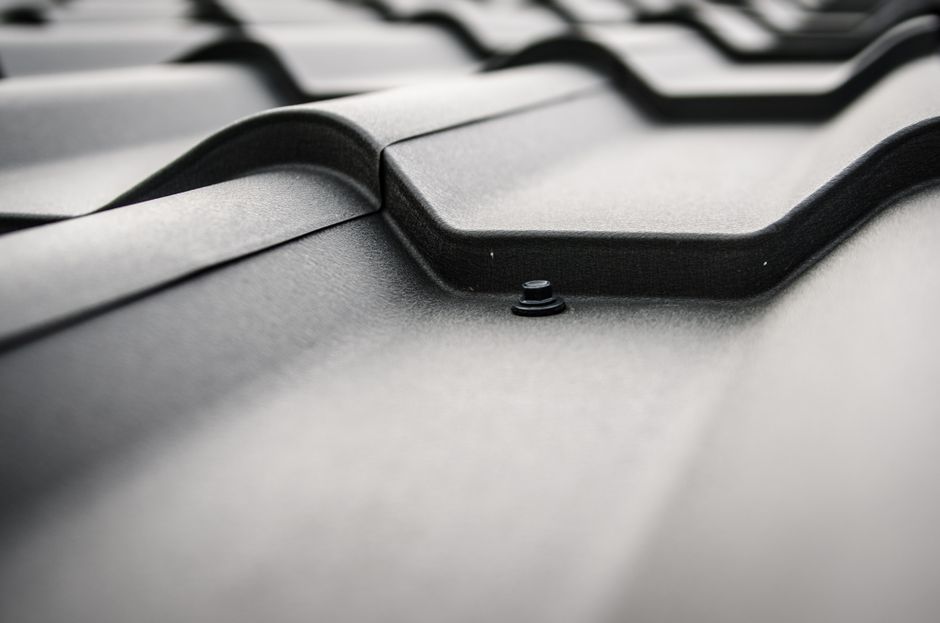
The premium residential choice: interlocking vertical panels joined by raised seams with concealed fasteners. Because no fastener heads are exposed to weather, standing seam is exceptionally watertight and low-maintenance, and it defines the sleek modern metal look. Expect $10–$16 per square foot installed. It is the best option for low-slope sections and homes where appearance matters.
Metal Shingles and Tiles
Stamped and coated to mimic slate, wood shake, or clay tile, metal shingles suit traditional homes and neighborhoods or homeowners’ associations that restrict industrial aesthetics. They deliver metal’s durability with a familiar profile, typically $8–$14 per square foot installed, and interlock for solid wind resistance.
Corrugated and Ribbed Panels
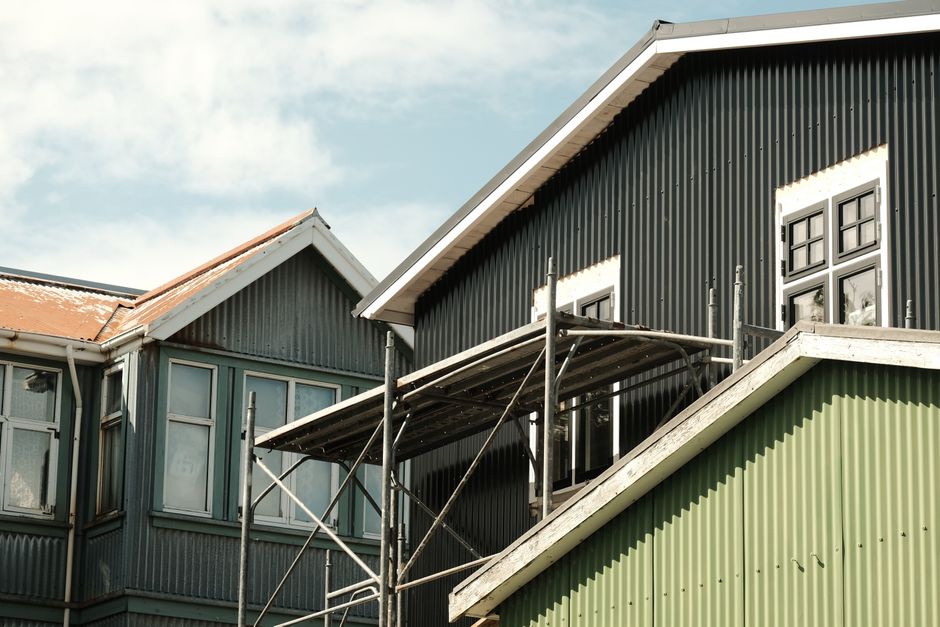
The budget tier, with exposed fasteners and a utilitarian look, popular for outbuildings, porches, verandas, and rural homes at $4–$8 per square foot. The exposed rubber-washer fasteners need periodic inspection and re-tightening every 10–15 years, and the aesthetic is less refined, but the value is hard to beat for secondary structures.
Metal Roofing Materials Compared
The base metal matters as much as the profile. Each has a distinct cost, corrosion behavior, and ideal use case:
- Steel (galvanized or Galvalume): the most common and affordable, offering excellent strength and, with modern zinc-aluminum coatings, strong corrosion resistance
- Aluminum: lightweight and naturally rust-proof, making it the top pick for coastal homes exposed to salt air
- Zinc: a self-healing patina and 80-plus-year lifespan at a premium price, popular in high-end European-style architecture
- Copper: the luxury tier, developing a distinctive green patina over decades and lasting a century or more, but costing several times the price of steel
Metal Roof Cost in 2026
A complete metal roof on a 2,000 square foot home typically costs $16,000–$32,000 USD (£11,000–£22,000; CA$22,000–CA$42,000; AU$24,000–AU$46,000). That is roughly double the price of a comparable asphalt roof. Spread across a 50-year service life, however, the annualized cost is often lower than repeatedly re-shingling. When you build your budget, factor in likely insurance discounts, energy savings from reflective coatings, and the fact that metal rarely needs the periodic repairs asphalt demands. Complexity, roof pitch, tear-off of the old roof, and premium metals like zinc or copper move the figure toward the top of the range.
Pros and Cons of Metal Roofing
Advantages: an exceptional 40–70 year lifespan, class-A fire resistance, superior wind and impact performance, meaningful energy efficiency, minimal maintenance, full recyclability at end of life, and a weight light enough to install over some existing roofs without added structural support.
Drawbacks: a high upfront cost, potential rain and hail noise if underlayment and decking are inadequate, thermal expansion and contraction that demands skilled installation to prevent fastener fatigue and oil-canning, and susceptibility to denting from large hail on softer metals like aluminum and copper. Repairs and exact color matching years later can also be trickier than with mass-market shingles.
Installation and Finding a Qualified Installer
Metal roofing is unforgiving of poor workmanship. Improper fastening, incorrect clip spacing, or ignored thermal movement leads to leaks, loosened panels, and unsightly oil-canning. Because far fewer crews specialize in metal than in asphalt, vetting matters. Hire installers with documented metal-specific experience and manufacturer certification, ask to visit or photograph recent local installations, and confirm the warranty covers both material and labor. A 30-year paint warranty is worthless if a botched installation voids it, so prioritize proven skill over the lowest bid.
Is Metal Roofing Worth It?
Metal makes the most financial and practical sense if you plan to stay in your home ten or more years, live in a severe-weather, coastal, or wildfire-prone zone, or simply want the lowest possible lifetime cost and maintenance burden. If you expect to move within a few years or are working with a tight budget, architectural asphalt shingles may deliver better short-term value. That said, metal noticeably boosts resale appeal and can be marketed to buyers as a genuine lifetime roof, which recovers some of the premium at sale.
Conclusion
Metal roofing delivers unmatched durability, energy efficiency, and weather resistance in exchange for a higher upfront price and the need for a genuinely skilled installer. For homeowners who value buying a roof once and forgetting about it for decades, the long-term economics are compelling. Weigh your timeline, climate, and budget, gather quotes from certified metal specialists, and you will enjoy generations of protection with minimal fuss.