Flat Roof Options in 2026: EPDM, TPO, PVC & Cost Comparison
Flat and low-slope roofs are everywhere — on modern extensions, garages, dormers, commercial-style homes, and countless UK and Australian properties. But ‘flat’ is misleading: these roofs have a slight pitch to shed water, and the material you choose determines whether they last 10 years or 50. With several very different systems on the market at wildly different price points, choosing the right flat roof in 2026 can be confusing. This guide compares every major flat roof option, their costs, lifespans, and ideal uses so you can invest wisely.
Why Flat Roofs Need Special Materials
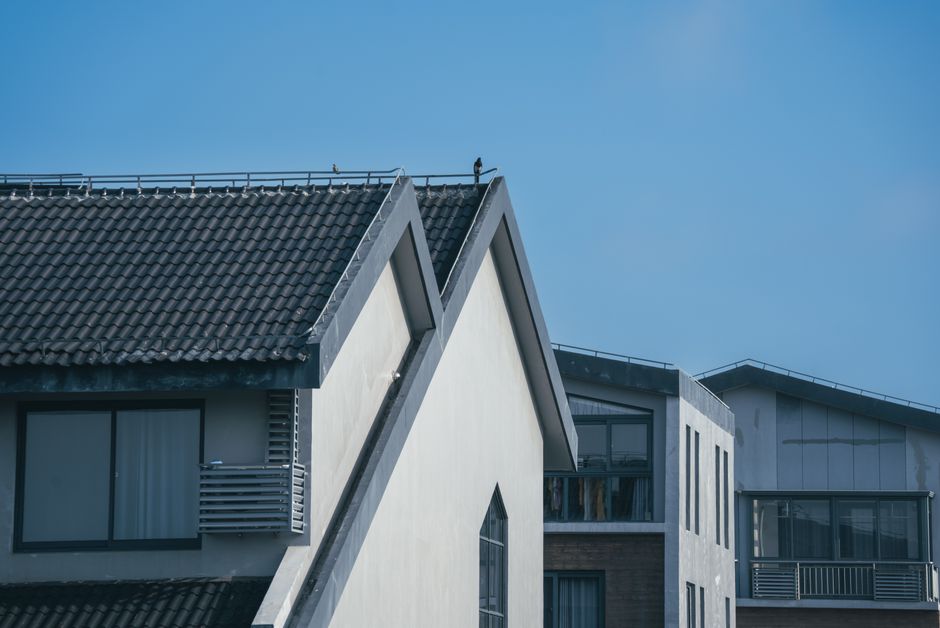
Unlike steep roofs that shed water instantly, flat roofs let water linger, so the covering must form a continuous, watertight membrane rather than relying on overlapping shingles. Ponding water, UV exposure, and thermal movement are the enemies. This is why flat roofs use rolled membranes, spray coatings, or seamed sheets engineered for standing water, and why proper drainage design and installation quality matter even more than on a pitched roof.
EPDM Rubber Roofing
EPDM is a synthetic rubber membrane, usually black, that has been a reliable flat-roof staple for decades. It is affordable at $4–$9 per square foot installed, lasts 20–30 years, and resists UV and weathering well. Installation is relatively simple, and repairs are easy. The main drawback is that black EPDM absorbs heat, though light-colored versions exist. It is an excellent value choice for garages, extensions, and budget-conscious projects.
TPO and PVC Single-Ply Membranes
TPO (thermoplastic polyolefin) and PVC are heat-welded single-ply membranes, typically white, that reflect solar heat and cut cooling costs. TPO runs $5–$10 per square foot and PVC $6–$12, both lasting 20–30 years. The heat-welded seams are extremely strong and watertight. TPO has become the fastest-growing flat-roof material for its blend of energy efficiency, durability, and moderate cost, making it a top pick for homeowners wanting a cool, modern low-slope roof.
Modified Bitumen and Built-Up Roofing
Modified bitumen is a modern evolution of traditional tar-and-gravel built-up roofing (BUR). It comes in rolls applied with heat, adhesive, or self-stick backing, costing $4–$8 per square foot with a 15–20 year life. BUR — multiple layers of bitumen and reinforcing fabric topped with gravel — is heavy and long-lasting but labor-intensive and increasingly replaced by single-ply systems. Both handle foot traffic well, making them practical for roofs used as service platforms.
GRP Fibreglass and Liquid Roofing
Popular in the UK and Australia, GRP (glass-reinforced plastic) fibreglass creates a seamless, rigid, durable finish ideal for balconies and small flat roofs, costing £60–£90 per square meter and lasting 25–30 years. Liquid-applied membranes — brushed or rolled on to form a seamless waterproof skin — are excellent for complex shapes, roofs with many penetrations, and refurbishments over existing surfaces. Both eliminate seams entirely, their biggest advantage against leaks.
Flat Roof Cost Comparison for 2026
For a typical 400–600 square foot flat roof (a garage or single-story extension), expect these all-in 2026 ranges:
- EPDM rubber: $2,000–$5,400
- TPO: $2,500–$6,000
- PVC: $3,000–$7,200
- Modified bitumen: $2,000–$4,800
- GRP fibreglass: £2,400–£5,400 (UK)
Tear-off of the old roof, insulation upgrades, new drainage, and complex details add to these figures. Always confirm whether insulation and warranty are included in a quote.
Drainage, Insulation and Common Problems
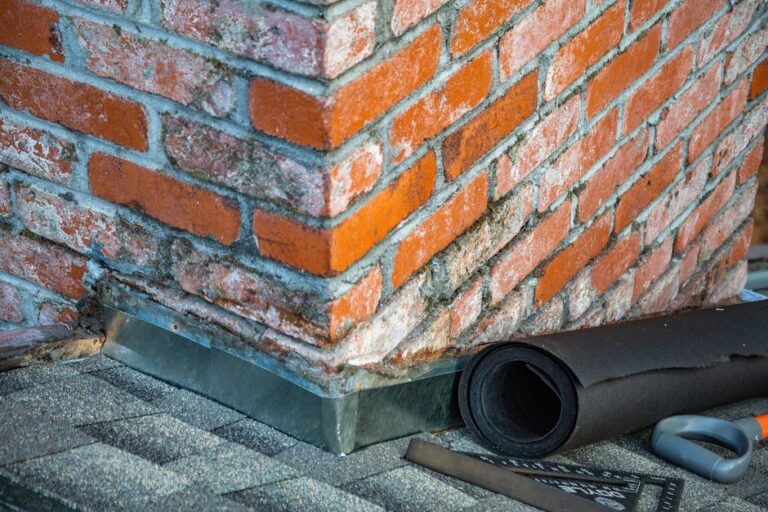
Even the best membrane fails without proper drainage. Flat roofs need a slight fall (typically 1:40 to 1:80) toward internal drains, scuppers, or gutters, plus tapered insulation to prevent ponding. The most common flat-roof problems are ponding water that degrades the membrane, blistering from trapped moisture, split seams, and failed flashing at parapet walls and penetrations. Adding rigid insulation during a re-roof improves energy efficiency dramatically and is often the best time to correct chronic drainage issues.
Flat roofs open possibilities that pitched roofs cannot: green (living) roofs planted with sedum or grasses, rooftop terraces, and solar arrays. Green roofs improve insulation, manage stormwater, and extend membrane life by shielding it from UV, though they require a robust structure and specialist waterproofing. If you dream of a usable roof deck or garden, discuss load-bearing capacity and a compatible high-performance membrane with a structural engineer before committing — retrofitting later is far costlier than building it in from the start.
Choosing the Right Flat Roof for Your Home
Match the system to your priorities. Choose EPDM for the best budget durability, TPO or PVC for energy efficiency and a clean white reflective finish, modified bitumen for a walkable service roof, and GRP or liquid systems for balconies, complex shapes, or seamless refurbishment. Consider how the roof will be used, your climate, whether you want a cool reflective surface, and your total cost over a 25-year horizon rather than just the install price. Professional installation is critical for every one of these systems.
Flat Roof Maintenance and Lifespan
Flat roofs reward routine attention. Inspect twice a year and after major storms, clearing leaves and debris from drains and scuppers so water never pools. Check seams, flashing at walls and penetrations, and any signs of blistering, cracking, or a spongy underfoot feel that signals trapped moisture. Keep foot traffic to a minimum and use walkway pads where access is needed. Prompt patching of small punctures — from a dropped tool or a fallen branch — prevents a minor breach from saturating the insulation below. With this simple regimen, a quality single-ply or EPDM roof reliably reaches the upper end of its rated lifespan instead of failing early.
Conclusion
Flat roofs are only as good as their membrane, drainage, and installation. In 2026, TPO and EPDM dominate the value conversation, while PVC, GRP, and liquid systems fill specialist niches. Prioritize proper falls, insulation, and a skilled installer over the cheapest bid, get itemized quotes that spell out insulation and warranty, and your flat roof will stay watertight and efficient for decades.