Stone Veneer Cost & Guide 2026: Natural vs Manufactured
Stone veneer delivers the rugged, upscale look of natural stone at a fraction of the cost and weight of full masonry. From modern accent walls to full farmhouse facades, it has become one of the most popular ways to add texture and value to a home exterior. This 2026 guide covers costs, the natural-versus-manufactured decision, installation, and resale returns.
What Is Stone Veneer?
Stone veneer is a thin layer of real or manufactured stone applied to an exterior wall as a decorative, non-load-bearing facing. It attaches over a moisture barrier and metal lath (for mortar-set systems) or to a backer panel. The two main categories are natural stone veneer, cut from real quarried stone, and manufactured stone veneer, molded from concrete and pigments.
Stone Veneer Cost per Square Foot in 2026
- Manufactured stone veneer: $12–$25 per sq ft installed
- Natural stone veneer: $18–$40+ per sq ft installed
- Material only (manufactured): $6–$12 per sq ft
- Material only (natural): $10–$25 per sq ft
Skilled masonry labor is the largest cost driver for both types.
Total Cost by Application
- Front accent wall (~200 sq ft): $2,400–$8,000
- Full front facade (~500 sq ft): $6,000–$20,000
- Whole-home veneer (1,500 sq ft): $18,000–$60,000
Because full coverage is costly, most homeowners use stone veneer as an accent on the lower facade, entryway, or chimney.
Natural vs Manufactured Stone Veneer
Natural stone offers unmatched authenticity, variation, and longevity, but it is heavier, pricier, and harder to install. Manufactured stone is lighter, more uniform, easier to install, and considerably cheaper—modern products are highly convincing. For most budgets and applications, manufactured veneer offers the best balance of looks, cost, and ease.
Installation Essentials
Proper installation is critical to prevent moisture damage. A quality system includes a weather-resistant barrier, metal lath, a scratch coat, and correct flashing at all penetrations and terminations. Many moisture failures blamed on stone veneer trace back to skipped drainage details—so hire an experienced installer and never let veneer touch soil directly.
Durability and Maintenance
Both natural and quality manufactured veneer last decades with little upkeep. Occasional cleaning, mortar inspection, and resealing (for some products) keep it looking sharp. Natural stone is essentially permanent; manufactured stone may fade slightly over many years but generally holds color well thanks to integral pigments.
Stone Veneer ROI and Curb Appeal
Manufactured stone veneer accents rank among the top ROI exterior projects, frequently returning 90–100%+ of their cost at resale. The dramatic curb-appeal upgrade—especially on an entry or lower facade—makes homes feel more premium and helps them stand out to buyers.
Popular Stone Veneer Styles
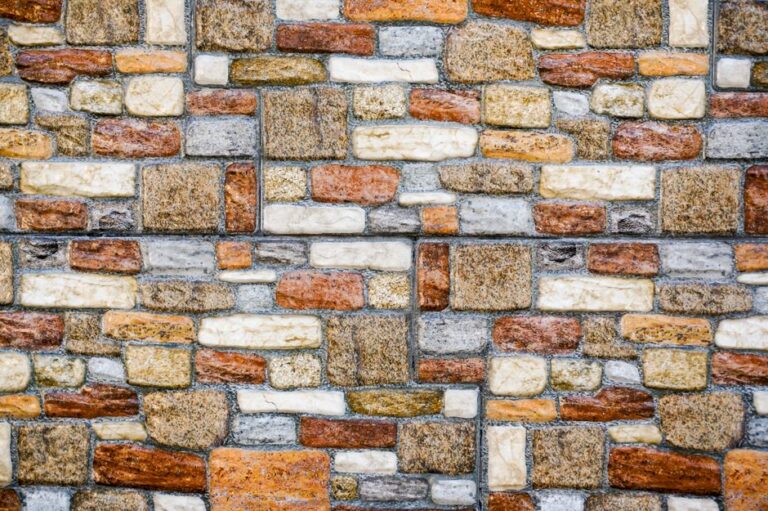
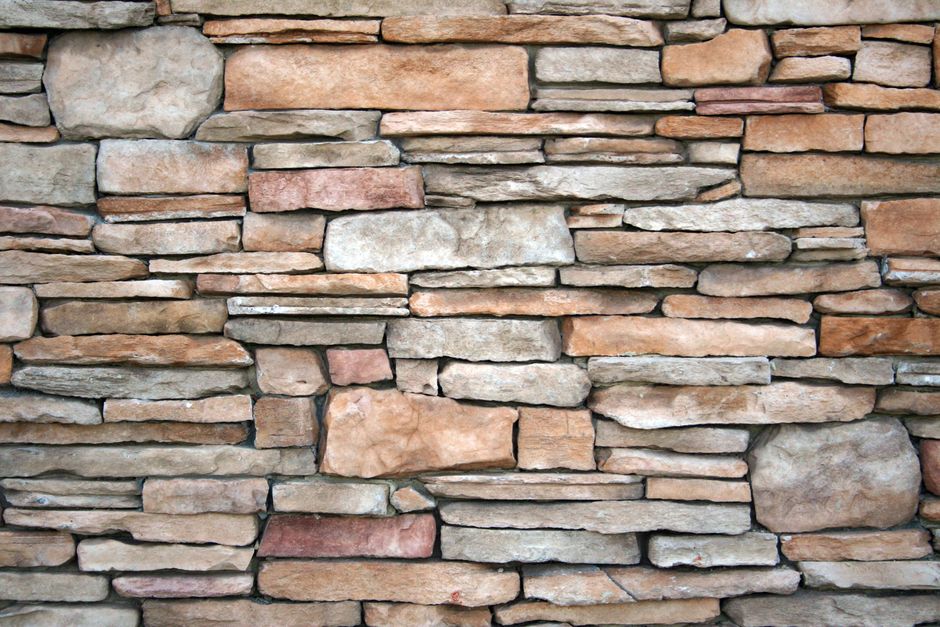
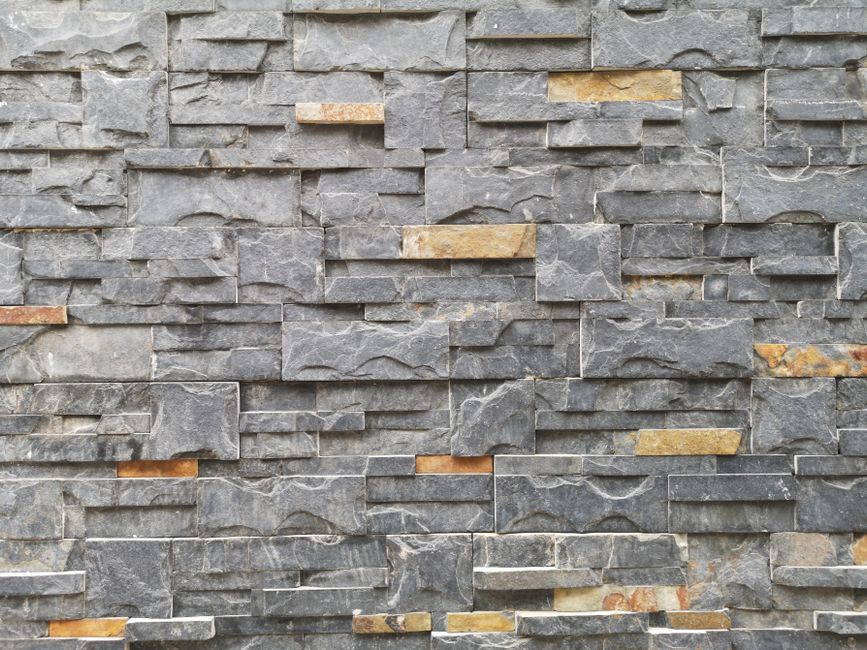
Stone veneer comes in profiles that evoke different regions and eras. Ledgestone features thin, stacked linear pieces for a clean, contemporary look. Fieldstone uses rounded, irregular stones for a rustic, countryside feel. Cobblestone and river rock suit traditional and cottage styles. Ashlar presents cut rectangular blocks for a formal, refined appearance. Dry-stack (mortarless-look) styles are trending for modern homes, while mortared joints read as more traditional. Choosing a style that complements your architecture is as important as the stone color itself.
Where to Use Stone Veneer for Maximum Impact
Because full coverage is costly, strategic placement delivers the best value. The highest-impact locations include the front entry and porch columns, the lower third of the facade (a “wainscot” band), chimneys, and around the garage. Interior applications—fireplaces and accent walls—are also popular. Concentrating stone where the eye naturally lands gives a premium impression without cladding the entire home.
Avoiding Stone Veneer Moisture Failures
Historically, some adhered stone veneer installations trapped water and caused hidden rot. Modern best practice uses a rainscreen or drainage mat behind the stone, two layers of weather barrier, proper flashing, and a required clearance above grade and paved surfaces (typically 4 inches above soil, 2 inches above paving). Never let stone veneer sit directly in soil or against a deck. When installed to current standards, moisture problems are rare—so verify your installer follows manufacturer drainage details.
Frequently Asked Questions About Stone Veneer
Does manufactured stone look fake?
Modern manufactured stone is highly realistic, with varied shapes, colors, and textures molded from real stone. From normal viewing distance it is difficult to distinguish from natural stone, especially when installed with care and varied piece placement.
Can stone veneer be installed over existing siding?
Stone veneer should be installed over a proper substrate with a weather barrier and lath or approved backer, not directly over most existing siding. Retrofits usually require removing the old cladding and preparing the wall correctly to prevent moisture issues.
How much does a stone veneer accent wall cost?
A front accent wall of about 200 square feet typically costs $2,400 to $8,000 installed, depending on whether you choose manufactured or natural stone and the complexity of the installation.
Does stone veneer increase home value?
Yes. Manufactured stone veneer accents rank among the top exterior projects for ROI, frequently recovering 90 to 100 percent or more of their cost while dramatically boosting curb appeal.
Conclusion
Stone veneer brings the prestige of natural stone within reach at $12–$40 per square foot installed in 2026. Manufactured veneer offers the best value for most homeowners, while natural stone rewards those seeking ultimate authenticity. Used as a facade accent with proper moisture detailing, stone veneer is one of the strongest curb-appeal and resale investments in exterior remodeling.