
House Wrap & Exterior Insulation 2026: Cost, Types & Benefits
What sits behind your siding matters as much as the siding itself. House wrap and exterior insulation form the weather barrier and thermal layer that keep your walls dry, warm, and energy-efficient. Skipping or skimping on these hidden layers is one of the most expensive mistakes a homeowner can make. Here is what you need to know in 2026.
What Is House Wrap?
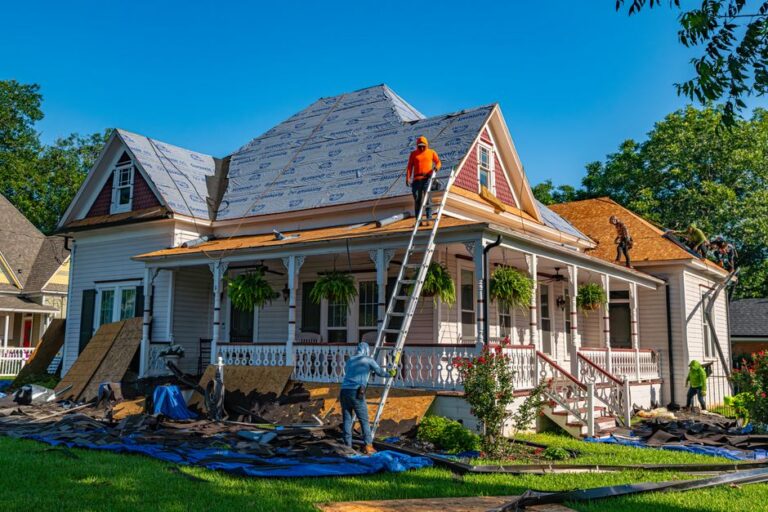
House wrap is a synthetic, water-resistant membrane installed over the wall sheathing and behind the siding. It blocks bulk water and air infiltration while allowing water vapor to escape—keeping the wall assembly dry. Common brands include Tyvek and similar spun-bonded polyolefin products.
House Wrap Cost in 2026
- Material: $0.20–$0.60 per sq ft
- Installed (with tape and detailing): $0.50–$1.50 per sq ft
- Typical whole-home add-on: $1,000–$3,500
House wrap is inexpensive relative to the protection it provides, and it should be considered standard on any re-side project.
What Is Exterior (Continuous) Insulation?
Continuous exterior insulation is a layer of rigid foam or mineral wool board installed outside the sheathing, wrapping the home in an unbroken thermal blanket. Unlike cavity insulation between studs, it eliminates thermal bridging through the framing—dramatically improving energy performance.
Exterior Insulation Cost in 2026
- Rigid foam board (1″): $1.50–$3.50 per sq ft installed
- Mineral wool board: $2.50–$5 per sq ft installed
- Insulated house wrap combos: $1–$2.50 per sq ft
Benefits of Getting the Layers Right
- Moisture protection: Prevents rot, mold, and structural decay.
- Energy savings: Continuous insulation can cut heating and cooling bills 10–20%.
- Comfort: Fewer drafts and more even indoor temperatures.
- Durability: A dry wall assembly lasts far longer.
House Wrap vs Rigid Foam: Do You Need Both?
They serve different jobs. House wrap is a water and air barrier; rigid foam is thermal insulation (and can act as a secondary water barrier). In cold climates like Canada and the northern US, pairing both is ideal. In mild climates, quality house wrap plus good cavity insulation may suffice. A building professional can advise based on your climate zone.
Installation Best Practices
- Overlap seams correctly (upper courses over lower) and tape all joints.
- Integrate flashing at windows, doors, and penetrations.
- Maintain a drainage plane so any water that gets in can escape.
- Avoid trapping moisture—vapor permeability must match your climate.
Improper installation can do more harm than no wrap at all, so detailing matters.
Return on Investment
While buyers rarely see house wrap or insulation directly, the energy savings, comfort, and moisture protection deliver ongoing returns. Lower utility bills and a dry, durable structure protect your largest asset—and energy-efficiency features increasingly influence appraisals and buyer decisions across Tier-1 markets.
Understanding Perm Ratings and Vapor Control
Not all house wraps are equal. The “perm rating” measures how readily a material lets water vapor pass through. In most climates you want a wrap that blocks liquid water but allows vapor to escape outward, so walls can dry. In very cold climates, the placement of vapor retarders becomes more nuanced. Matching wrap permeability and insulation strategy to your climate zone prevents condensation from becoming trapped inside the wall—a decision worth discussing with a building professional or following local energy code guidance.
The Rainscreen Advantage
A rainscreen adds a small ventilated gap between the siding and the water barrier, using furring strips or a drainage mat. This gap lets water drain and air circulate, dramatically improving drying and extending the life of both the siding and the structure behind it. Rainscreens are increasingly standard with premium claddings like fiber cement, wood, and stone veneer, and they are one of the best moisture-management upgrades you can add during a re-side.
Continuous Insulation and Building Codes
Energy codes across the US, Canada, the UK, and Australia increasingly require or reward continuous exterior insulation to meet efficiency targets. Adding rigid foam or mineral wool outside the sheathing not only cuts energy bills but may be necessary for code compliance on major renovations. It also raises the effective R-value of the whole wall assembly by eliminating thermal bridging through studs—something cavity insulation alone cannot achieve.
Frequently Asked Questions About House Wrap and Insulation
Is house wrap really necessary?
Yes. Siding alone is not a complete water and air barrier. House wrap protects the sheathing and framing from moisture and reduces drafts. Skipping it risks rot, mold, and higher energy bills—problems far costlier than the wrap itself.
Can I add exterior insulation without removing siding?
Generally, continuous exterior insulation is added during a re-side when the siding is off. Some interior or cavity insulation upgrades can be done separately, but exterior rigid foam is best installed as part of a siding project.
Will exterior insulation lower my energy bills?
Yes. By eliminating thermal bridging through studs, continuous insulation can reduce heating and cooling costs by 10 to 20 percent, with the biggest impact in cold climates. The comfort improvement from fewer drafts is immediate.
What is a rainscreen and do I need one?
A rainscreen is a ventilated gap behind the siding that promotes drainage and drying. It is increasingly recommended with fiber cement, wood, and stone veneer, especially in wet climates, to extend the life of the wall assembly.
Conclusion
House wrap and exterior insulation are the unsung heroes of a healthy home exterior. At $0.50–$1.50 per square foot for wrap and $1.50–$5 for continuous insulation in 2026, they are modest investments that prevent costly moisture damage and slash energy bills. Whenever you re-side, treat these hidden layers as non-negotiable—they protect everything behind and in front of them.