Asphalt Shingles Guide 2026: Types, Costs & How to Choose
Asphalt shingles cover roughly four out of five homes across North America and are increasingly common in the UK and Australia, and for good reason: they balance affordability, dependable performance, and curb appeal better than almost any other roofing material. But not all asphalt shingles are created equal, and choosing the wrong grade can mean a roof that fails a decade early or one that costs far more than your climate requires. This guide explains the three main types, their real 2026 costs and lifespans, maintenance, warranties, and how to pick the right shingle for your home.
Why Asphalt Shingles Dominate
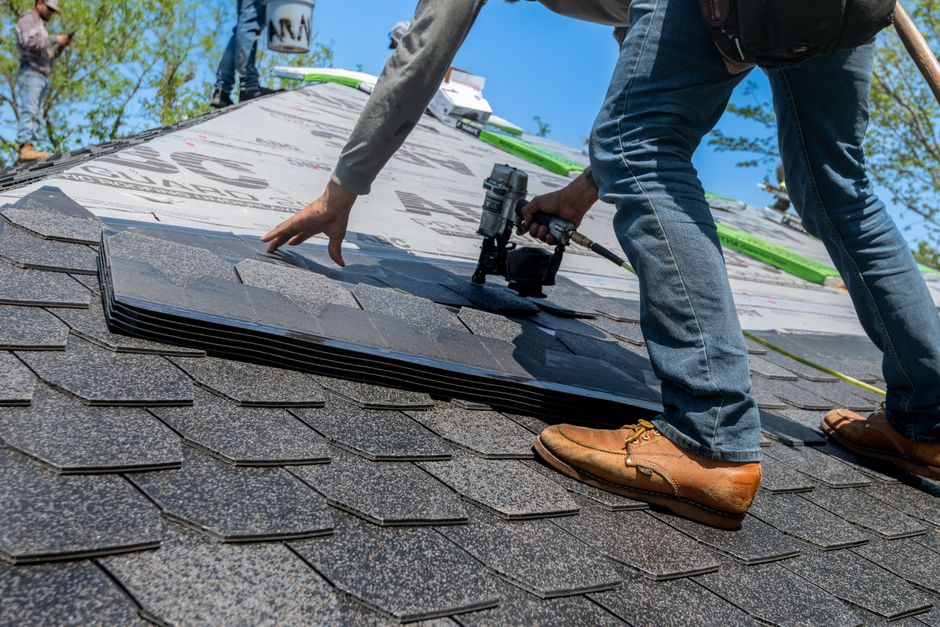
Asphalt shingles are inexpensive, universally available, straightforward for most roofers to install quickly, and offered in dozens of colors and profiles to suit any architectural style. A fiberglass mat saturated in asphalt and topped with ceramic-coated mineral granules delivers reliable waterproofing, UV protection, and fire resistance at a fraction of the cost of metal, tile, or slate. Their sheer ubiquity is a hidden benefit too: repairs, partial replacements, and color matching are simple and cheap because virtually every roofing crew stocks and understands them.
The Three Main Types of Asphalt Shingles
Three-Tab Shingles
The classic flat, uniform shingle with cutouts that create three tabs per strip. It is the cheapest option at $4.50–$6.50 per square foot installed, with a 15–20 year lifespan and wind ratings around 60 mph. Three-tab is best reserved for rental properties, tight budgets, or mild climates; in high-wind or hail regions it underperforms and can cost more over time through repeated repairs.
Architectural (Dimensional) Shingles
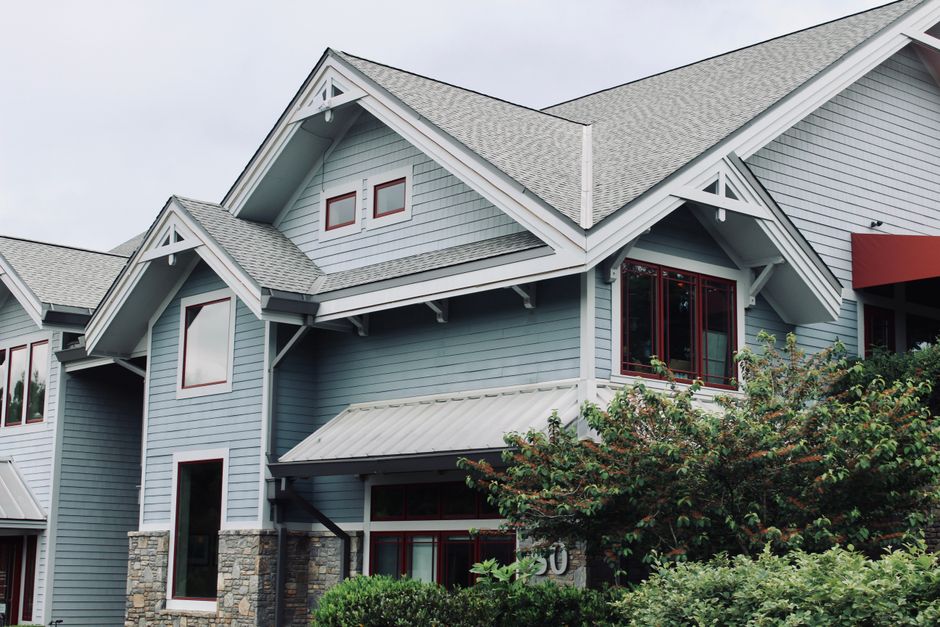
The mainstream 2026 choice for owner-occupied homes. Multiple bonded layers create depth, shadow lines, and a premium appearance, along with 25–30 year lifespans, wind ratings of 110–130 mph, and impact resistance. At $6–$9 per square foot installed they represent the best all-round value: modest premium over three-tab for a substantially tougher, better-looking, longer-lasting roof.
Luxury / Designer Shingles
Thick, oversized, multi-dimensional shingles engineered to mimic natural slate or cedar shake. They last 30–50 years and cost $9–$14 per square foot, offering a cost-effective route to a high-end look without the crushing weight of real slate or the fire risk of wood. Ideal for premium homes or heritage-style renovations where curb appeal drives value.
Asphalt Shingle Cost in 2026
A full asphalt roof on a 2,000 square foot home runs $9,000–$18,000 USD depending on shingle grade, tear-off, roof complexity, and local labor. Architectural shingles — the most popular tier — typically land around $12,000–$14,000 for an average home. UK homeowners see £6,000–£12,000, Canadians CA$11,000–CA$22,000, and Australians AU$12,000–AU$24,000. Steep pitches, multiple stories, extensive flashing, and the removal of two or more old layers push totals higher, so always confirm what each quote includes.
Lifespan and What Affects It
The number on the warranty is a best-case figure that assumes ideal conditions. Real lifespan depends heavily on:
- Ventilation: poor attic airflow bakes shingles from below and can slash years off their life
- Climate: intense UV, frequent hail, and freeze-thaw cycling all accelerate granule loss and cracking
- Installation quality: correct nail placement, sealed starter strips, and proper flashing are decisive
- Color and orientation: darker shingles run hotter and can degrade faster on sun-facing slopes in hot climates
Asphalt vs Other Roofing Materials
Asphalt wins decisively on upfront cost and ease of repair but trails metal, tile, and slate on raw lifespan. The right comparison is cost per year of service combined with how long you intend to own the home. If you plan to move within 15 years, asphalt’s low cost almost always wins. If you are settling in for decades, a longer-lived material may deliver a lower annual cost despite its higher initial outlay, while asphalt keeps more cash in your pocket today.
Maintenance Tips to Maximize Lifespan
- Clear leaves, debris, and overhanging branches that trap moisture against the roof
- Keep gutters flowing freely to prevent edge rot and destructive ice dams
- Inspect after every major storm for lifted, cracked, or missing shingles
- Treat moss and algae early, and consider zinc or copper strips near the ridge
- Maintain balanced attic intake and exhaust ventilation year-round
Warranties Explained
Two separate warranties protect an asphalt roof. The manufacturer warranty — ranging from 25 years to lifetime — covers material defects, while the workmanship warranty from your contractor covers installation errors, which are the actual cause of most leaks. Register your manufacturer warranty promptly and keep all documentation; many warranties require certified installation, matching-brand accessories, and adequate ventilation to remain valid, so read the conditions before work begins.
Choosing the Right Color and Style
Color is not purely cosmetic. Beyond matching your siding, brick, and trim, shingle color affects attic temperature and can influence resale. Lighter, reflective shades keep hot-climate homes cooler and can qualify for cool-roof energy incentives, while darker tones suit cooler northern climates and hide staining. Blended, variegated colors mask granule loss and algae streaks better than solids. Order physical samples and view them on the roof at different times of day before committing, because a small swatch rarely predicts how a full roof will look under the sky.
Conclusion
Asphalt shingles remain the smart default for most homeowners in 2026, and architectural shingles in particular offer an outstanding blend of price, durability, and looks. Match the shingle grade to your climate and how long you plan to stay, insist on quality installation and proper ventilation, register your warranty, and your asphalt roof will protect your home reliably for decades at a price that is tough to beat.