Exterior Wall Cladding Options 2026: Compare Costs & Materials
Choosing exterior cladding is one of the biggest decisions in a home build or renovation. It shapes curb appeal, maintenance demands, energy performance, and resale value—and the price gap between options is enormous. This 2026 guide compares the leading cladding materials side by side so you can match the right choice to your budget, climate, and style.
What Is Exterior Cladding?
Cladding is the outer skin of your home—the material that protects the structure from weather while defining its appearance. It works alongside house wrap and insulation to keep walls dry and efficient. The best cladding balances durability, aesthetics, maintenance, and cost for your specific situation.
Vinyl Siding
Cost: $4–$12 per sq ft. The most affordable, low-maintenance option, available in many colors and profiles. Downsides: less premium appearance and can crack in extreme cold or warp in intense heat.
Fiber Cement
Cost: $8–$16 per sq ft. Extremely durable, fire-resistant, and convincingly mimics wood. Heavier and pricier than vinyl, with painted versions needing periodic refreshes. A top all-around choice for longevity.
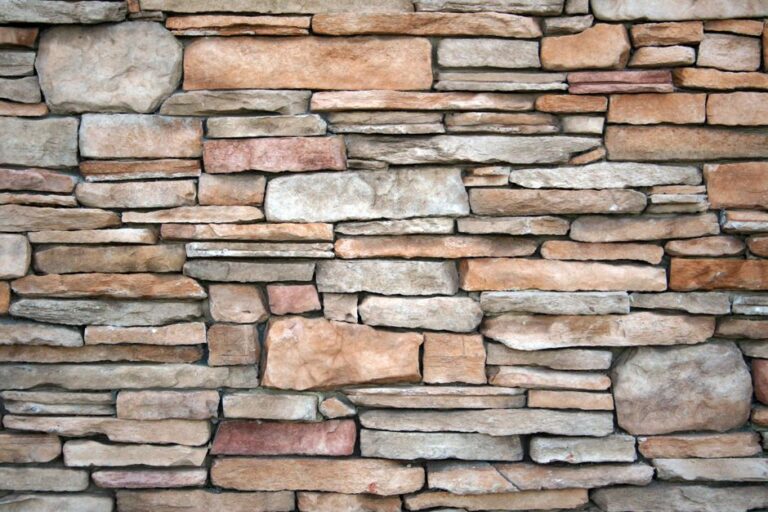
Brick and Stone Veneer
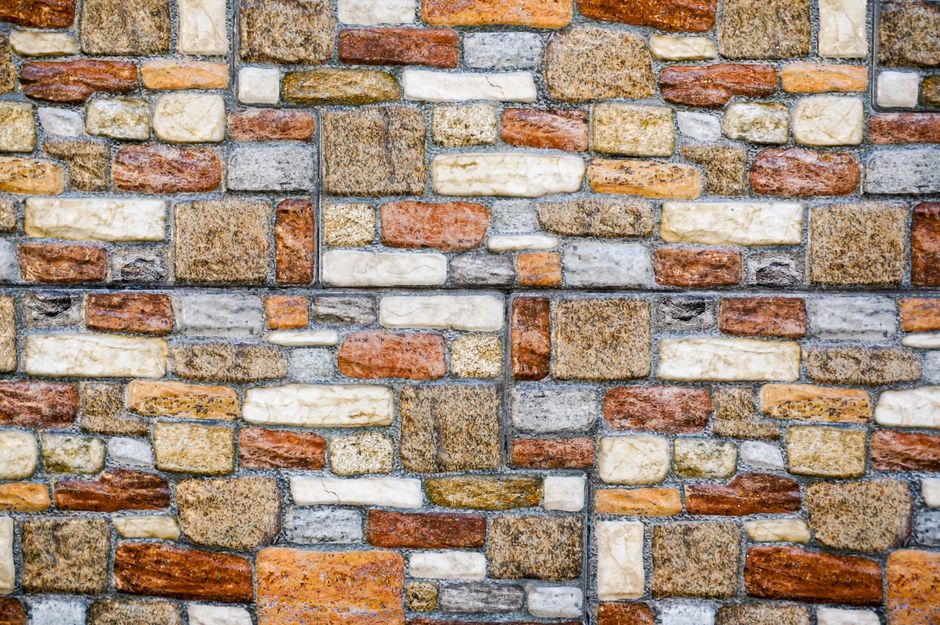
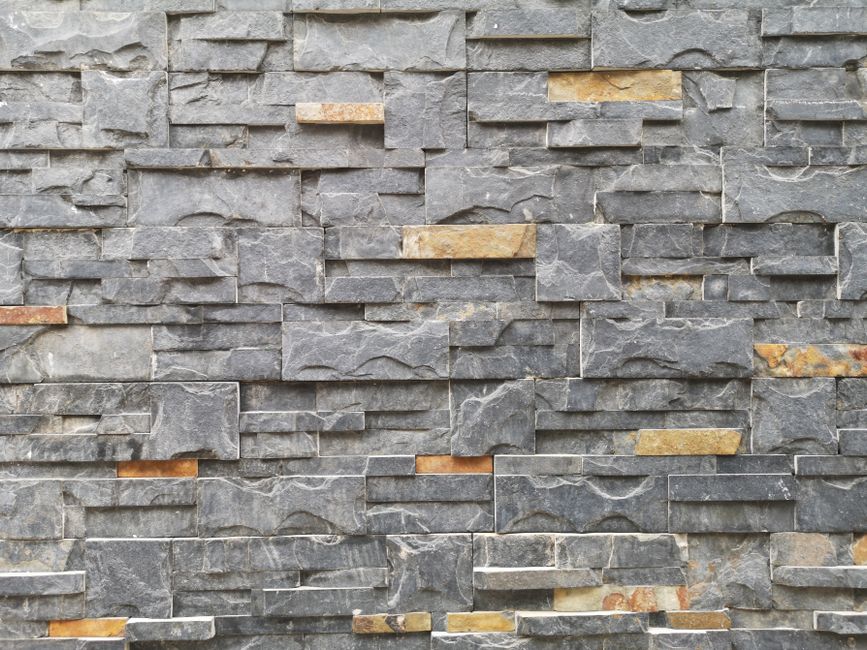
Cost: $12–$40 per sq ft. The most durable and prestigious, lasting 50-plus years with minimal upkeep. High upfront cost and skilled labor required. Often used as facade accents to control budget.
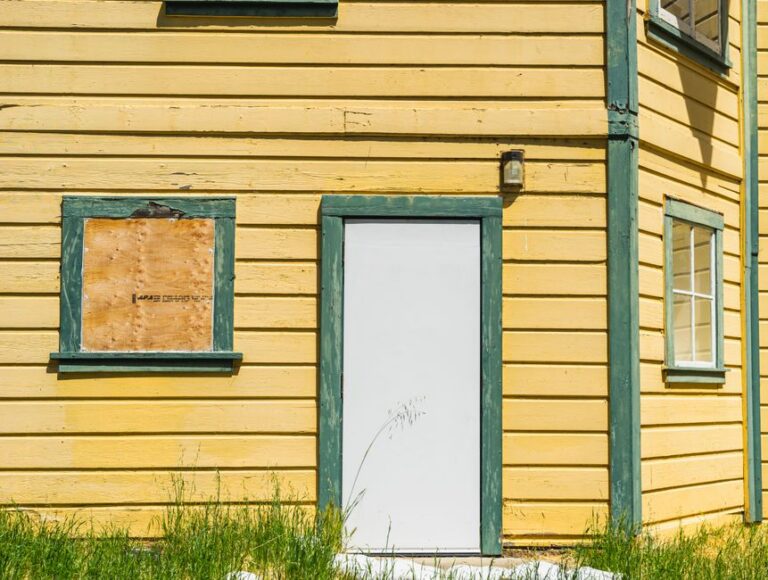
Wood Siding
Cost: $7–$16 per sq ft. Warm, natural, and timeless, especially cedar. Highest maintenance—needs regular staining or painting and is vulnerable to rot and pests if neglected. Best for those who love its look and accept the upkeep.
Metal Siding
Cost: $6–$16 per sq ft. Modern, fire-resistant, and long-lasting (steel and aluminum). Great for contemporary designs and harsh climates. Can dent, and standing-seam styles carry a premium.
Stucco and Cladding Panels
Cost: $7–$16 per sq ft. Seamless, sculptural, and durable in the right climate. EIFS adds insulation. Requires expert installation and careful moisture detailing, especially in wet regions.
How to Choose the Right Cladding
- Budget: Vinyl for value; brick/stone for premium longevity.
- Climate: Fiber cement or metal for fire and moisture resistance; stucco for warm/dry.
- Maintenance tolerance: Vinyl and metal for low upkeep; wood for those who enjoy it.
- Style: Match cladding to your home’s architecture and neighborhood.
- Resale plans: Durable, premium materials aid long-term value.
Mixing Cladding Materials
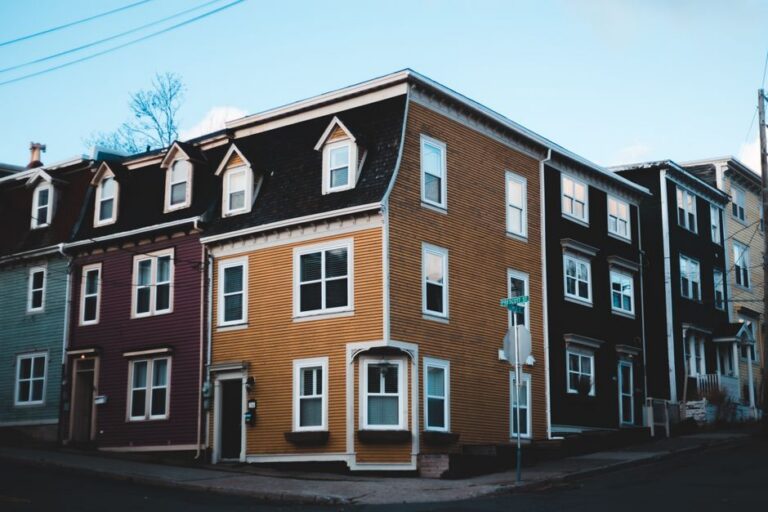
Many of today’s most striking homes combine materials—stone veneer on the lower facade, lap siding above, and board and batten in the gables. Mixing textures adds architectural interest and lets you place premium materials where they make the biggest visual impact while controlling overall cost.
Cladding and Energy Efficiency
Your cladding choice interacts with the wall’s thermal performance. Insulated vinyl and systems paired with continuous exterior insulation reduce heat loss and can lower energy bills year-round. EIFS stucco integrates insulation directly. While brick, stone, and metal add little R-value themselves, they work with the insulation layers behind them. If energy efficiency is a priority, plan the cladding and insulation together rather than treating them as separate decisions.
Cladding Lifespan Comparison
- Vinyl: 20–40 years
- Wood: 20–40 years with maintenance (longer if diligent)
- Fiber cement: 30–50 years
- Metal: 40–70 years
- Stucco: 50–80 years
- Brick and stone veneer: 50–100 years
Factoring lifespan into cost reveals the true value: a pricier cladding you install once can beat a cheaper one replaced twice.
Climate-Specific Recommendations
In wildfire-prone regions, choose non-combustible fiber cement, stucco, brick, or metal. In freeze-thaw climates, avoid materials prone to cracking and prioritize proper moisture detailing. In humid or coastal areas, favor rot- and rust-resistant options like fiber cement, aluminum, or vinyl. In hot, dry climates, stucco and light-colored claddings manage heat well. Matching material to climate is often more important than the material’s headline price.
Frequently Asked Questions About Exterior Cladding
What is the cheapest exterior cladding?
Vinyl siding is the most affordable at $4 to $12 per square foot installed, offering low maintenance and many styles. It delivers the best value for budget-conscious homeowners.
What is the most durable cladding?
Brick and stone veneer last 50 to 100 years, followed by metal at 40 to 70 years and stucco at 50 to 80. Fiber cement offers 30 to 50 years. When factoring lifespan, premium materials can be cheaper per year than budget options replaced twice.
Can I mix different cladding materials?
Yes, and many striking homes do—stone on the lower facade, lap siding above, and board and batten in gables. Mixing textures adds interest and lets you place premium materials where they make the biggest visual impact.
Which cladding is best for fire-prone areas?
Non-combustible options—fiber cement, stucco, brick, stone, and metal—are best for wildfire zones and may qualify for insurance discounts or be required by local codes.
Conclusion
There is no single best cladding—only the best fit for your budget, climate, and taste. Vinyl leads on value, fiber cement on all-around performance, brick and stone on prestige and longevity, wood on natural beauty, and metal on modern durability. Compare costs against maintenance and lifespan, consider mixing materials for impact, and choose the cladding that will protect and beautify your home for decades.