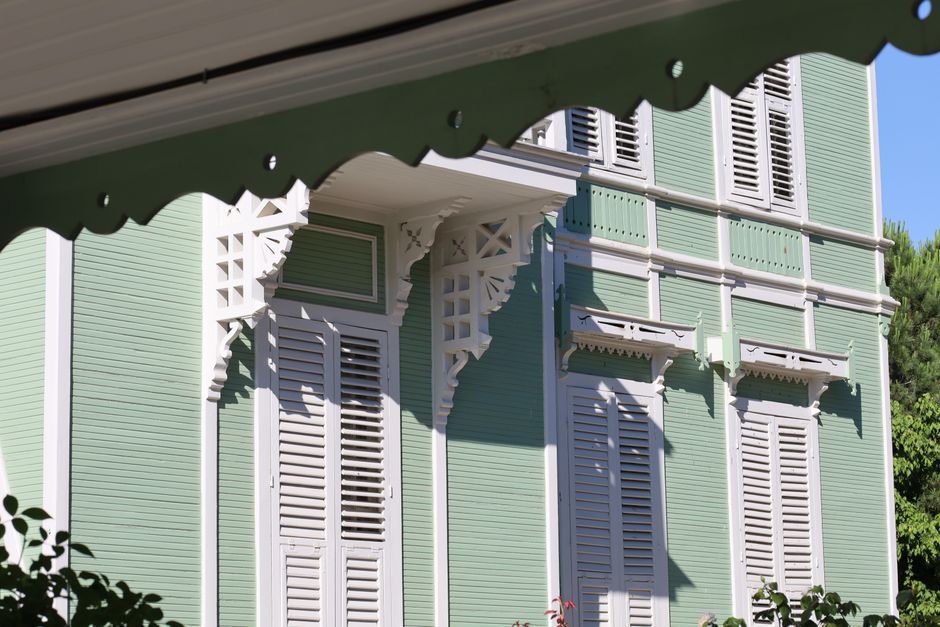
Exterior Trim Guide 2026: Materials, Costs & Design Ideas
Exterior trim is the finishing detail that frames your home—outlining windows, doors, corners, and rooflines. Beyond aesthetics, trim seals gaps, protects vulnerable edges from water, and defines architectural character. Choosing the right trim material and design elevates any facade. Here is your complete 2026 guide.
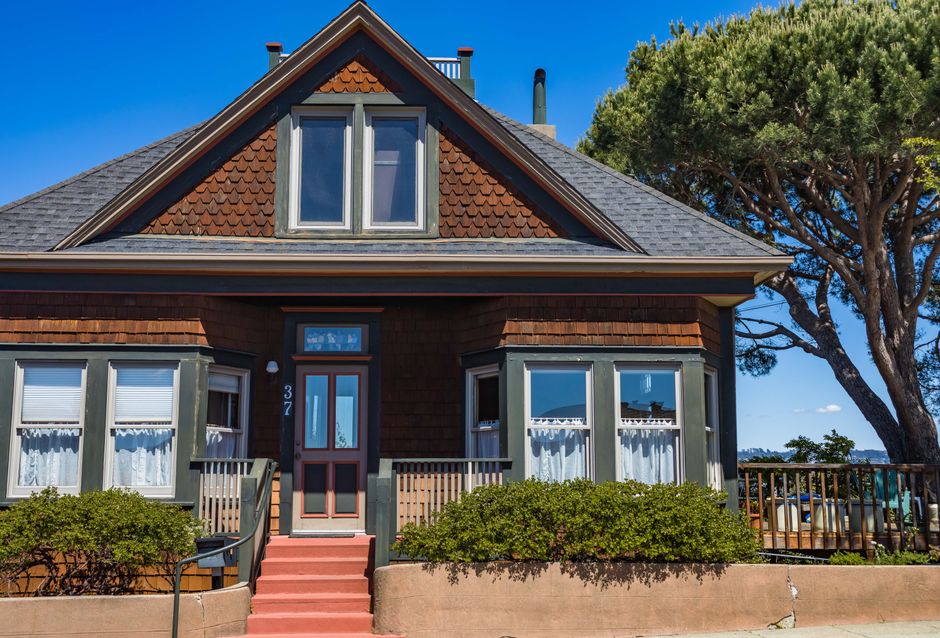
What Is Exterior Trim?
Exterior trim includes the boards and moldings around windows and doors (casing), at wall corners (corner boards), along the roofline (fascia and soffit), and where siding meets other materials. It provides clean transitions, weather sealing, and visual definition.
Common Exterior Trim Materials
- Wood: Classic and paintable, but needs regular maintenance.
- PVC / cellular vinyl: Rot-proof, low-maintenance, and increasingly popular.
- Composite (e.g., engineered wood): Durable and paintable with a natural look.
- Fiber cement trim: Matches Hardie-style siding, fire-resistant and stable.
- Aluminum: Often used to wrap fascia and soffits for a maintenance-free finish.
Exterior Trim Cost in 2026
- Wood trim: $2–$6 per linear foot installed
- PVC trim: $3–$8 per linear foot installed
- Fiber cement trim: $3–$9 per linear foot installed
- Full-home trim package: $2,000–$8,000 depending on detail
Which Trim Material Should You Choose?
PVC and fiber cement dominate new installs because they resist rot and hold paint for years. Wood remains beloved for historic and high-end homes but demands upkeep. Match the trim to your siding: fiber cement trim pairs naturally with fiber cement siding, while PVC works well with vinyl or as a universal low-maintenance option.
Design Ideas That Boost Curb Appeal
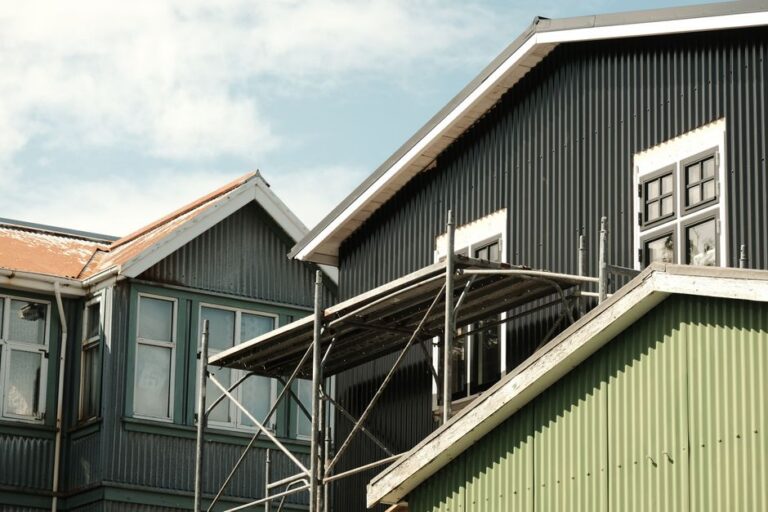
- Contrast colors: Crisp white trim against dark siding creates timeless definition.
- Wide window casing: Bold 4″–6″ casing adds character and presence.
- Board-and-batten gable accents: Break up large wall planes.
- Craftsman brackets and corbels: Add architectural richness under eaves.
Fascia, Soffit, and Rooflines
Fascia (the vertical board at the roof edge) and soffit (the underside of the eave) protect the roof structure and support ventilation. Damaged or rotted fascia invites water and pests. Wrapping these in aluminum or using PVC/fiber cement eliminates repainting and shields the most water-exposed edges of the home.
Maintenance by Material
Wood trim needs repainting or resealing every 5–8 years and vigilance against rot. PVC and fiber cement need only occasional washing and paint refreshes on painted surfaces. Keeping caulk joints intact around all trim is the key maintenance task regardless of material, since failed caulk lets water behind the trim.
Return on Investment
Fresh, well-designed trim sharpens a home’s appearance dramatically for a modest cost, making it a high-value component of any facade refresh. Combined with new siding or a repaint, quality trim signals care and craftsmanship that buyers notice—supporting both faster sales and stronger offers.
Trim Profiles and Where They Go
Understanding the main trim components helps you plan a cohesive design. Window and door casing frames openings and seals gaps. Corner boards give a clean edge where walls meet (an alternative to mitered siding). Frieze boards run along the top of walls under the eaves. Water tables and belly bands add horizontal definition and shed water. Fascia caps the roof edge and carries gutters, while soffit encloses the eave underside and supports ventilation. Coordinating these elements creates a finished, intentional look.
Trim and Water Management
Beyond looks, trim plays a vital role in keeping water out. Head flashing above windows and doors, sloped sills, and properly caulked joints direct water away from vulnerable openings. Trim that is installed without flashing—relying on caulk alone—will eventually leak as the caulk ages. When budgeting a trim project, ensure the quote includes proper flashing details, not just the visible boards.
Matching Trim to Architectural Style
Different home styles call for different trim treatments. Craftsman homes feature wide, layered casing, exposed rafter tails, and tapered columns. Colonial and traditional homes use symmetrical, moderate casing with dentil details. Modern homes favor minimal, flush trim or reveals. Farmhouse styles pair chunky white trim with contrasting siding. Choosing trim proportions and details appropriate to your home’s era makes the whole facade feel authentic rather than generic.
Frequently Asked Questions About Exterior Trim
What is the most low-maintenance trim material?
PVC (cellular vinyl) trim is essentially maintenance-free—it never rots and only needs occasional washing. Fiber cement is also very durable but benefits from periodic repainting. Both far outlast wood in low-upkeep terms.
Should trim be lighter or darker than the siding?
Either works, but crisp contrast is the classic approach—white trim on dark siding, or dark trim on light siding—to frame windows and define edges. The choice depends on the look you want; high contrast reads bold, tonal reads subtle.
How much does it cost to replace fascia and soffit?
Replacing fascia and soffit typically runs $6 to $20 per linear foot installed, depending on material and whether wrapping in aluminum. Addressing rotted fascia promptly prevents water damage to the roof structure.
Can I paint PVC trim?
Yes, PVC trim can be painted with quality exterior acrylic paint, ideally in lighter colors to avoid heat-related expansion. Many homeowners leave factory-white PVC unpainted for zero maintenance.
Conclusion
Exterior trim is where a facade goes from plain to polished. At $2–$9 per linear foot in 2026, low-maintenance PVC and fiber cement options let you frame your home beautifully without the upkeep of wood. Invest in durable materials, crisp contrast colors, and sound caulking, and your trim will protect and elevate your exterior for decades.