Exterior House Painting Cost 2026: Prices, ROI & Budget Tips
A fresh coat of exterior paint is one of the highest-impact, lowest-cost ways to transform a home’s appearance and protect it from the elements. Whether you are refreshing faded siding or preparing to sell, understanding what a professional paint job costs in 2026—and where the money goes—helps you budget wisely and spot inflated quotes.
Average Exterior Painting Cost in 2026
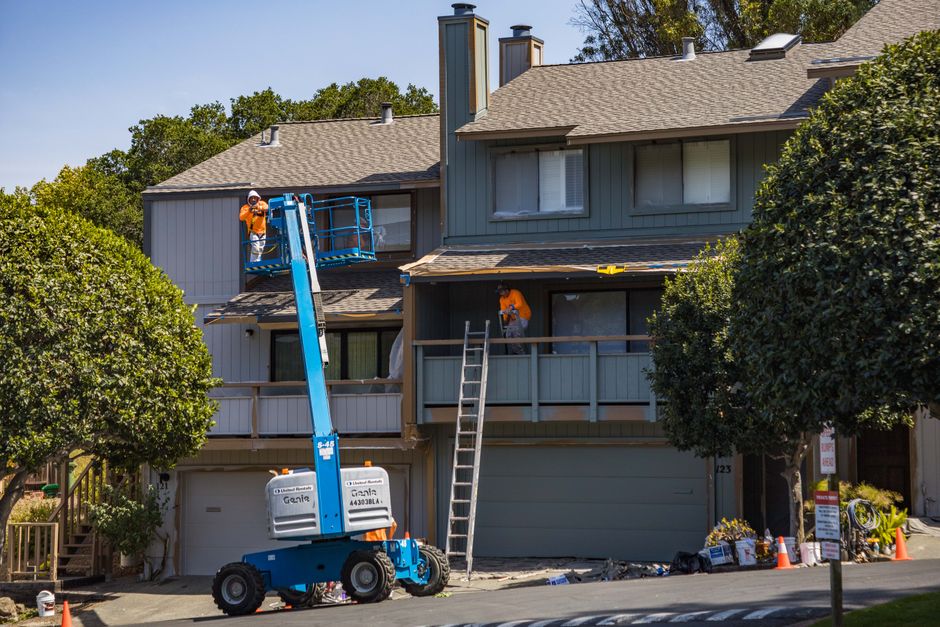
Professional exterior painting typically costs $2 to $6 per square foot of wall area in 2026 (about £1.60–£4.80), including prep, primer, and two topcoats. Most homeowners spend between $3,500 and $10,000 for a full house.
- Single-story home: $3,000–$7,000
- Two-story home: $5,000–$12,000
- Large or multi-story home: $8,000–$18,000
What’s Included in a Professional Quote
- Surface prep: Pressure washing, scraping, sanding, and repairs.
- Priming: Bare or repaired areas sealed before topcoat.
- Caulking: Sealing gaps around trim, windows, and joints.
- Two topcoats: For even color and lasting protection.
- Cleanup and disposal.
Prep often accounts for a third or more of the labor—and it is where cheap jobs cut corners.
What Drives Exterior Painting Costs
- Home size and height: More surface and multi-story access raise cost.
- Siding material: Rough stucco and wood soak up more paint than smooth surfaces.
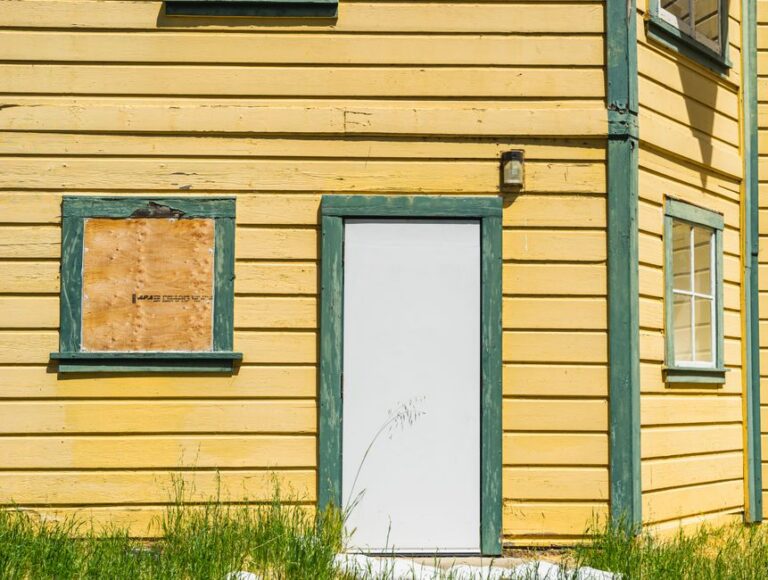
- Condition: Peeling, rot, or heavy prep add labor.
- Paint quality: Premium paints cost more but last far longer.
- Number of colors and detailing: Trim, shutters, and accents add time.
Paint Quality Tiers
Paint is not the place to economize. Premium 100% acrylic exterior paints cost $50–$80 per gallon but last 10–15 years, while budget paints may fade or peel within 5–7. Over the life of the home, quality paint is cheaper per year and saves you from repainting sooner.
DIY vs Hiring a Pro
DIY can cut the bill to just materials—$500–$1,500 for paint and supplies—but exterior work involves ladders, prep, and multi-story safety risks. For single-story homes with simple layouts, DIY is feasible for confident homeowners. For two-plus stories, hiring insured professionals is safer and produces a more durable, even finish.
How Long Does an Exterior Paint Job Last?
With quality paint and proper prep, expect 7–15 years depending on climate, sun exposure, and siding type. South- and west-facing walls fade fastest. Wood needs repainting more often than fiber cement or masonry. Regular washing and touch-ups extend the life of any job.
Exterior Painting ROI and Resale Value
Repainting is one of the best-value pre-sale improvements. A fresh, neutral exterior can return well over 100% of a modest paint budget through faster sales and higher offers. Even outside of selling, paint protects your siding from moisture and UV damage—maintenance that pays for itself.
Money-Saving Tips
- Get multiple itemized quotes and confirm prep is included.
- Paint in the shoulder seasons for better availability and pricing.
- Choose durable, timeless neutrals to delay the next repaint.
- Address wood repairs before painting to avoid paying twice.
Cost by Siding Material
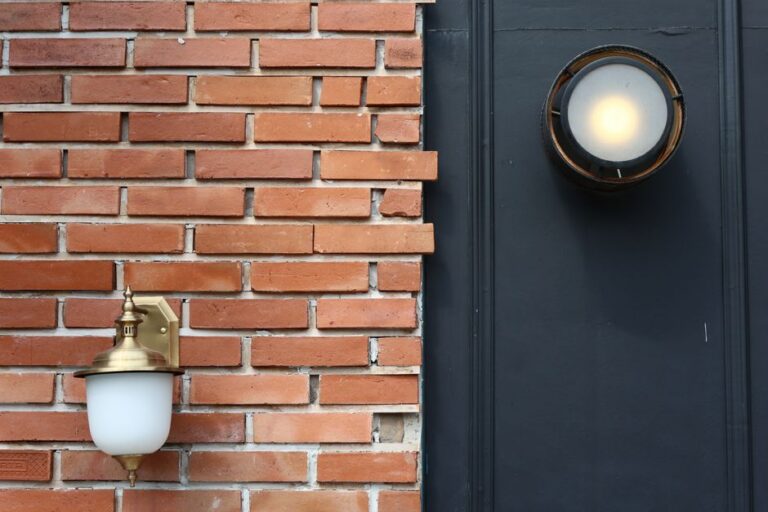
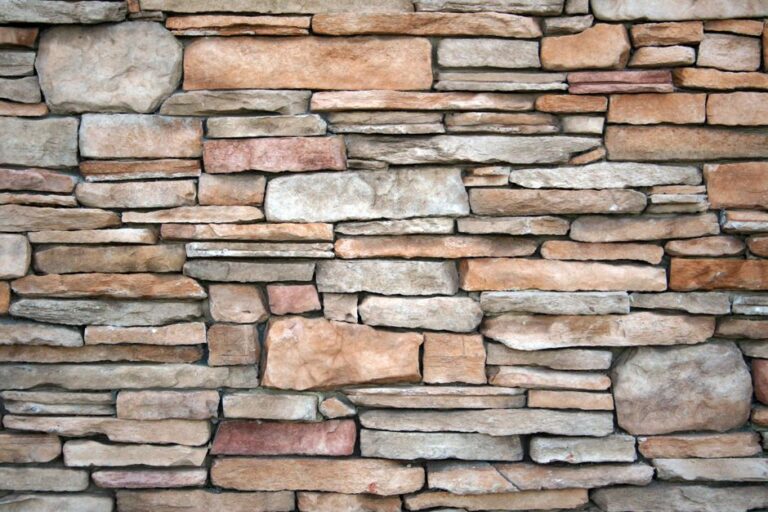
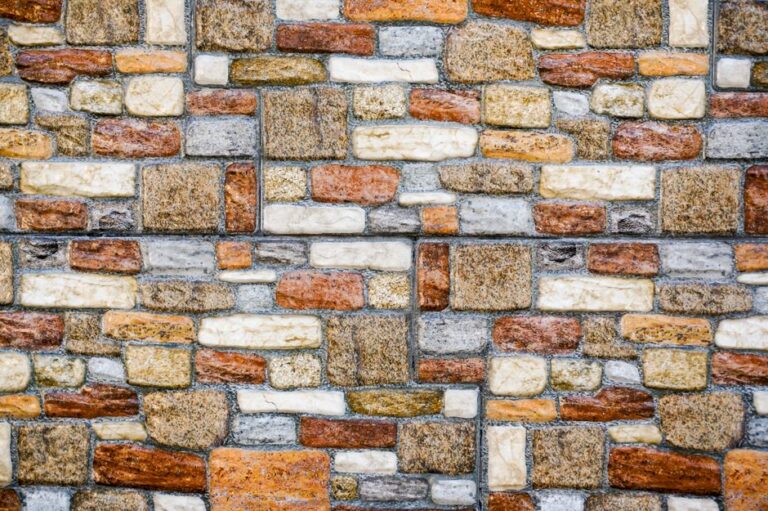
The surface you are painting significantly affects the price. Smooth surfaces like fiber cement and vinyl trim take paint quickly and use less product. Rough stucco and textured masonry absorb far more paint and take longer to coat evenly, raising both material and labor costs. Wood siding often needs the most prep—scraping, sanding, spot-priming—especially if the previous finish is failing. Brick, if painted at all, requires specialized masonry primer and paint. Always ask how your specific siding affects the estimate.
Best Time of Year to Paint
Exterior paint cures best in mild, dry conditions—typically 50–85°F (10–29°C) with low humidity and no rain for several days. Late spring and early fall are ideal in most Tier-1 climates. Avoid painting in direct scorching sun (paint dries too fast and can blister) or in cold, damp conditions (paint won’t cure properly). Scheduling in the shoulder seasons also often means better contractor availability and pricing.
Signs Your Home Needs Repainting
- Peeling, cracking, or flaking paint exposing bare siding.
- Noticeable fading, especially on sun-exposed walls.
- Chalky residue when you rub the surface.
- Gaps in caulk around trim and windows.
- Bare wood or visible water staining.
Addressing these promptly protects the siding underneath and prevents a repaint from becoming a repair.
Frequently Asked Questions About Exterior Painting
How many coats of paint does an exterior need?
Two topcoats over primed or previously painted surfaces is standard for even color and durability. Bare wood, repairs, and dramatic color changes require priming first. Skimping to one coat shortens the finish’s lifespan considerably.
Can I paint over old peeling paint?
No—not directly. Peeling and flaking paint must be scraped, sanded, and primed first, or the new paint will fail along with the old. Thorough prep is the single biggest factor in how long an exterior paint job lasts.
How much does it cost to paint just the trim?
Trim-only projects typically run $1,000 to $3,000 depending on home size and detail. Refreshing trim and the front door alone is an inexpensive way to sharpen curb appeal between full repaints.
Is spraying or brushing better for exteriors?
Spraying is faster and gives a smooth finish, but back-brushing or back-rolling is often used to work paint into the surface for better adhesion, especially on wood and textured siding. Quality crews combine both techniques.
Conclusion
Exterior painting is the highest-ROI facade refresh available, costing $2–$6 per square foot in 2026 for most homes. Invest in thorough prep and premium paint, hire insured pros for multi-story work, and you will protect your home for a decade or more while boosting curb appeal and resale value.