Stucco Exterior Cost & Guide 2026: Traditional vs Synthetic
Stucco is a centuries-old exterior finish that remains a favorite in the American Southwest, Mediterranean-style homes, and increasingly in modern minimalist designs worldwide. Its seamless, sculptural surface and excellent durability make it appealing—but it is climate-sensitive and installation quality matters enormously. Here is your complete 2026 guide to stucco costs, types, and considerations.
What Is Stucco?
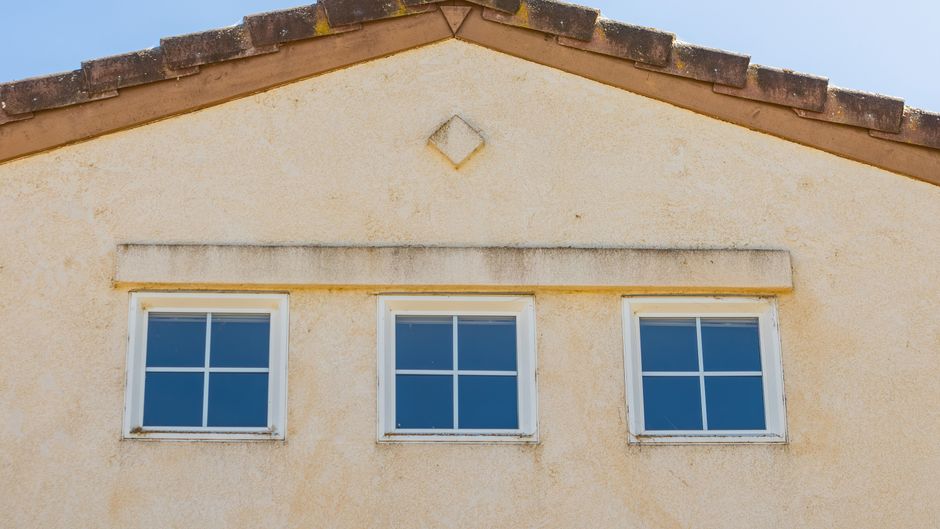
Stucco is a cement-based plaster applied wet in layers over a lath or backer, then finished to a smooth or textured surface. Traditional stucco is a hard, breathable mineral coating. Synthetic stucco, or EIFS (Exterior Insulation and Finish System), uses foam insulation board with an acrylic finish coat for added R-value and flexibility.
Stucco Cost per Square Foot in 2026
Installed stucco typically runs $7 to $14 per square foot in 2026 (about £5.60–£11.20).
- Traditional three-coat stucco: $8–$14 per sq ft
- One-coat stucco system: $6–$10 per sq ft
- EIFS / synthetic stucco: $9–$16 per sq ft
Total Cost by Home Size
- 1,500 sq ft of wall: $10,500–$21,000
- 2,500 sq ft of wall: $17,500–$35,000
- Re-stucco over existing (recoat): $3–$7 per sq ft
Traditional Stucco vs Synthetic EIFS
Traditional stucco is hard, breathable, and fire-resistant, allowing moisture to escape. EIFS adds continuous insulation and is lighter and more crack-resistant, but if poorly installed it can trap moisture behind the foam. Modern EIFS with drainage planes has solved most historical problems, but installer expertise is essential.
What Drives Stucco Costs
- Number of coats: Three-coat systems cost more but last longer.
- Texture and finish: Smooth troweled finishes require more skill than dash textures.
- Wire lath and prep: New lath, flashing, and moisture barriers add cost.
- Repairs to substrate: Retrofits may reveal rot or damage needing repair first.
Climate Considerations
Stucco thrives in warm, dry climates like the US Southwest, California, and much of Australia. In wet or freeze-thaw regions—the UK, Pacific Northwest, and northern Canada—stucco can crack or trap moisture if not detailed carefully with proper drainage and expansion joints. Always hire installers experienced with your local climate.
Maintenance and Repairs
Well-installed stucco lasts 50–80 years with modest upkeep. Hairline cracks are normal and easily patched; larger cracks may signal foundation movement or water intrusion. Repaint or refresh the color coat every 5–10 years, and seal cracks promptly to keep water out of the wall assembly.
Stucco ROI and Aesthetics
Stucco offers a distinctive, high-end appearance that suits many architectural styles and can boost curb appeal significantly in regions where it is expected. Its longevity and energy performance (especially EIFS) appeal to buyers, and it typically recovers a solid share of its cost at resale in stucco-friendly markets.
Stucco Textures and Finishes
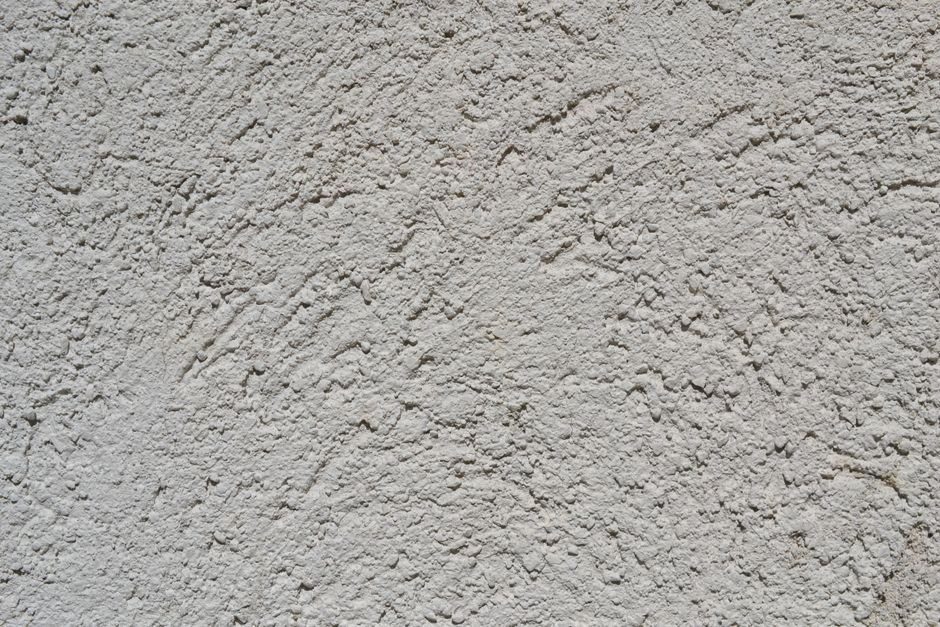
The final texture defines your home’s character. Popular options include smooth (troweled, modern and elegant but shows imperfections), sand/float (fine granular, forgiving and common), dash (sprayed, highly durable and rustic), and lace or skip-trowel (varied, hides flaws well). Smooth finishes demand the most skilled application and cost more, while textured finishes are more forgiving and hide minor cracking. Discuss samples with your installer, as texture cannot easily be changed once applied.
Expansion Joints and Crack Prevention
Because stucco is rigid, it needs control and expansion joints to accommodate building movement and prevent random cracking. Skilled installers place these joints at logical intervals and at stress points around openings. Adequate joints, proper lath, and a full cure time all reduce cracking. Some hairline cracking is normal over time and easily patched, but a pattern of large cracks signals installation shortcuts or structural movement that should be investigated.
Stucco Over Different Substrates
Stucco can be applied over masonry (directly bonded) or over wood/steel framing (using a weather barrier and metal lath—a “three-coat” system). Retrofitting stucco onto an existing home requires careful integration with the moisture barrier and flashing, especially around windows and rooflines. Applying stucco over inadequate weatherproofing is a recipe for hidden rot, so substrate preparation is not the place to cut corners.
Frequently Asked Questions About Stucco
Does stucco crack easily?
Hairline cracks are normal as buildings settle and are easily patched. Large or spreading cracks usually indicate installation shortcuts, missing control joints, or structural movement. Proper lath, expansion joints, and curing minimize cracking significantly.
Is stucco good in rainy climates?
Traditional stucco can perform in wet climates if installed with proper drainage planes, flashing, and breathable detailing. However, it is best suited to warm, dry regions. In very wet areas, expert installation is essential to avoid trapped moisture.
How often does stucco need repainting?
Stucco holds color well but benefits from a fresh color coat or paint every 5 to 10 years, depending on exposure and product. Elastomeric coatings can extend this and help bridge minor cracks.
Is EIFS the same as traditional stucco?
No. EIFS is a synthetic system with foam insulation and an acrylic finish, offering added R-value and flexibility. Traditional stucco is a hard, breathable cement plaster. Both look similar but perform differently and require different installation expertise.
Conclusion
Stucco is a durable, elegant, and long-lasting exterior finish at $7–$14 per square foot installed in 2026. It excels in warm, dry climates and can perform well elsewhere with expert installation and proper moisture detailing. Choose traditional stucco for breathability and fire resistance, or EIFS for added insulation—and above all, hire a proven installer, because with stucco, workmanship makes or breaks the result.