Brick Veneer Cost 2026: Price per Square Foot & Value Guide
Few exteriors say permanence and quality quite like brick. But full structural brick is expensive and rarely necessary for modern homes. Brick veneer—a single, non-structural layer of real or thin brick attached to a framed wall—delivers the classic look at a far more accessible price. If you are weighing brick veneer for a new build or a facade upgrade, here is what it costs in 2026 and whether it earns its keep.
What Is Brick Veneer?
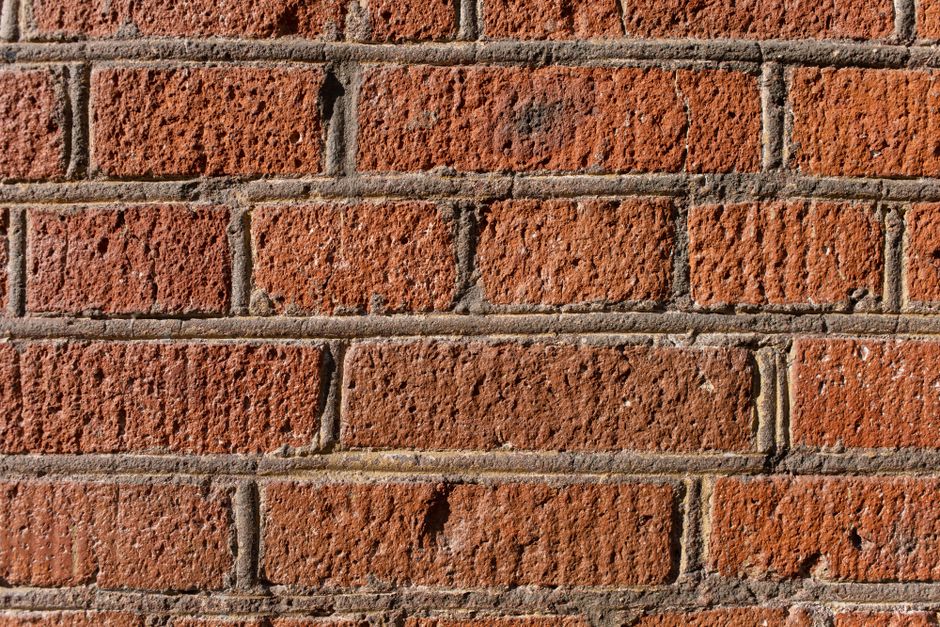
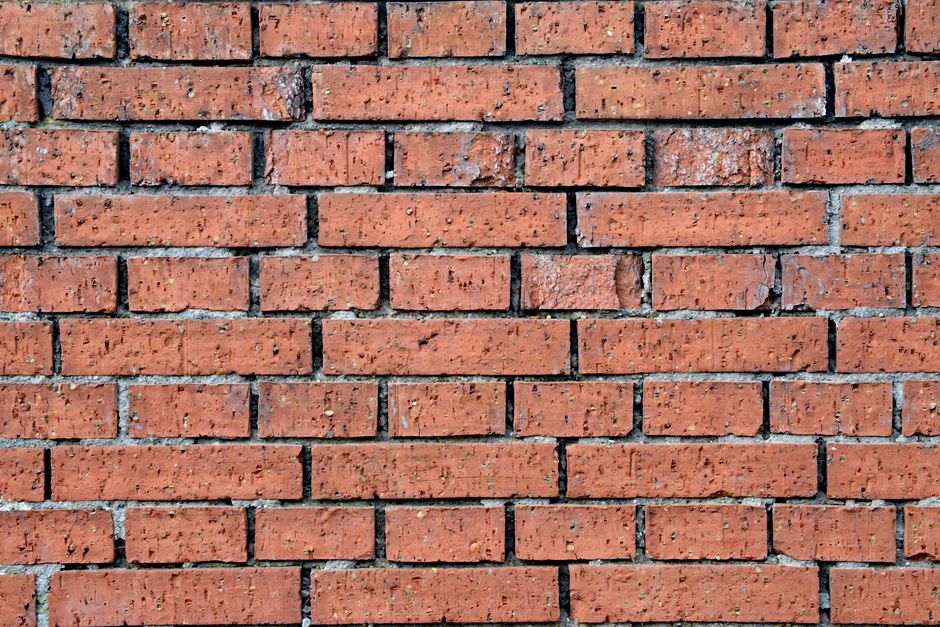
Brick veneer is a decorative brick facing attached to a wood- or steel-framed wall with an air gap and moisture barrier behind it. Unlike solid masonry, it carries no structural load—the frame does that. It comes in two main forms: traditional full-thickness veneer laid on a foundation ledge, and thin brick (about 1/2″–1″ thick) adhered directly to a backer, similar to tile.
Brick Veneer Cost per Square Foot in 2026
Installed brick veneer typically costs $12 to $25 per square foot in 2026 (about £9.60–£20), driven largely by skilled masonry labor.
- Thin brick veneer: $10–$18 per sq ft installed
- Traditional brick veneer: $14–$25 per sq ft installed
- Premium or reclaimed brick: $22–$35+ per sq ft installed
Total Cost by Home Size
- 1,500 sq ft of wall: $18,000–$37,500
- 2,500 sq ft of wall: $30,000–$62,500
- Partial accent (front facade only, ~500 sq ft): $6,000–$12,500
Many homeowners apply brick veneer only to the front elevation for maximum curb appeal at a controlled cost.
What Affects the Price
- Brick type: Standard, tumbled, handmade, or reclaimed each carry different price tiers.
- Labor: Masonry is skilled trade work and the largest cost component.
- Mortar and detailing: Custom joint styles and colors add labor.
- Site prep: Adding a foundation ledge for traditional veneer increases cost on retrofits.
Brick Veneer vs Full Brick vs Faux Brick
Full structural brick costs far more and is largely obsolete for residential builds. Brick veneer gives the identical appearance at lower cost and weight. Faux brick panels (polyurethane or vinyl) are cheaper still—$5–$10 per sq ft—but lack the authenticity, durability, and resale appeal of real brick.
Durability and Maintenance
Real brick veneer is one of the most durable and low-maintenance claddings available, lasting 50–100 years. It never needs painting and resists fire, pests, and rot. Occasional repointing of mortar joints and keeping weep holes clear are the only routine tasks. Proper flashing and drainage behind the veneer are critical to prevent moisture buildup.
Brick Veneer ROI and Curb Appeal
Brick projects a sense of quality that buyers pay for. While a full re-side in brick veneer is a large investment, adding brick to a front facade can significantly lift perceived value and help a home stand out. Expect meaningful curb-appeal returns, especially in neighborhoods where brick is the established norm.
Is Brick Veneer Right for Your Home?
Brick veneer suits homeowners who want a timeless, essentially maintenance-free exterior and plan to stay long term. It is a premium choice—budget accordingly—but its longevity means you may never re-side again. If budget is tight, a front-elevation accent captures much of the visual impact for a fraction of the whole-house price.
The Air Gap and Moisture Management
A defining feature of proper brick veneer is the air cavity between the brick and the wall behind it. This gap, combined with weep holes at the base and flashing above openings, allows any water that penetrates the brick to drain out rather than soak into the structure. When homeowners hear of brick veneer “leaking,” the culprit is almost always blocked weep holes or missing flashing—not the brick itself. Insist that your mason install through-wall flashing and keep weep holes clear, as this detail determines whether your veneer performs for a century or fails in a decade.
Thin Brick vs Traditional Veneer: Which to Choose
Traditional full-thickness veneer requires a foundation ledge to support its weight, making it ideal for new construction. Thin brick—adhered like tile to a backer board—needs no ledge, making it perfect for retrofits and lighter structures. Thin brick installs faster and costs less in labor, and modern products are nearly indistinguishable from full brick at the surface. If you are re-cladding an existing home without a masonry ledge, thin brick is usually the practical and economical choice.
Brick Colors, Bonds, and Mortar
Brick appearance is shaped by three choices: the brick color (from classic red to charcoal, cream, and whitewashed), the bond pattern (running bond is standard; herringbone and stack bond feel more contemporary), and the mortar color and joint style. A light mortar with dark brick creates crisp contrast, while matched mortar produces a monolithic look. These decisions cost little but dramatically change the final character, so review physical samples in daylight before committing.
Frequently Asked Questions About Brick Veneer
Is brick veneer as strong as full brick?
For appearance and weather protection, yes—the visible result is identical. The difference is structural: full brick can bear load, while veneer relies on the framed wall behind it. For modern homes, veneer provides all the practical benefits of brick without the cost or weight of structural masonry.
Can brick veneer be added to an existing house?
Yes. Thin brick veneer is ideal for retrofits because it needs no foundation ledge and adheres to a backer board. Traditional veneer can also be added but may require structural support for its weight. A mason can advise which suits your home.
Does brick veneer require much maintenance?
Very little. Occasional cleaning, keeping weep holes clear, and repointing mortar every few decades is all it needs. Brick never requires painting and resists fire, rot, and pests, making it one of the lowest-maintenance claddings available.
How long does brick veneer last?
Properly installed brick veneer lasts 50 to 100 years, often outliving the home’s other components. Its longevity means you may never need to re-clad, spreading the upfront cost across many decades.
Conclusion
Brick veneer delivers the enduring appeal of masonry without the cost or weight of full brick. At $12–$25 per square foot installed in 2026, it is a premium option, but its 50-plus-year lifespan, near-zero maintenance, and strong curb appeal make it a sound long-term investment—whether you clad the whole home or accent the front facade.