Exterior Waterproofing: Methods, Costs & Warning Signs 2026
Water is the most destructive force acting on your home’s exterior. From damp basements to spalling brick and rotting trim, moisture intrusion causes expensive structural damage that compounds over time. Exterior waterproofing is a proactive investment that protects your biggest asset. This guide explains the methods, costs, and warning signs every homeowner should understand in 2026.
Why Exterior Waterproofing Matters
Unmanaged water leads to foundation cracks, mold, wood rot, efflorescence on masonry, and interior finish damage. Repairing water damage after the fact often costs many times more than preventing it. Waterproofing also improves indoor air quality and protects your home’s value and insurability.
Common Signs You Need Waterproofing
- Damp or musty basements and crawl spaces
- Efflorescence (white powder) on masonry
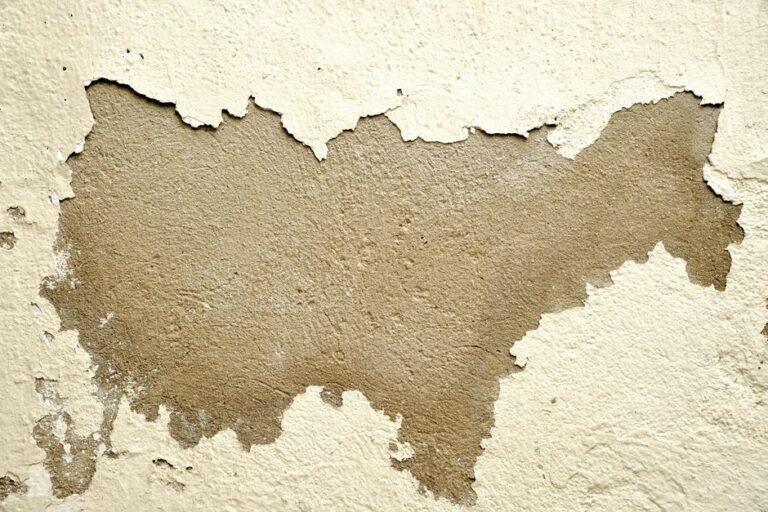
- Peeling paint or bubbling render
- Cracks in foundation walls or floors
- Standing water near the foundation after rain
- Mold or mildew growth on walls
Exterior Waterproofing Methods
Solutions range from simple to comprehensive:
- Sealants and masonry water repellents — surface-level protection
- Exterior foundation membranes — excavate and apply waterproof coating
- French drains and footing drains — redirect groundwater
- Grading and downspout extensions — move surface water away
- Cavity drainage systems — manage water that penetrates
Cost of Exterior Waterproofing
Costs vary widely by scope. Applying a masonry sealer to walls costs $1–$4 per square foot. Exterior foundation waterproofing that requires excavation runs $80–$250 per linear foot, often totaling $8,000–$20,000 for a full foundation. French drains cost $1,000–$5,000. A simple regrading and downspout fix may be under $1,000.
Grading and Drainage First
The cheapest and most effective step is often managing surface water. Ensure the ground slopes away from the foundation at least 6 inches over 10 feet, extend downspouts 4–6 feet from the house, and keep gutters clean. Many moisture problems disappear once surface water is redirected properly.
Masonry and Render Protection
Brick, stone, and rendered walls benefit from breathable water-repellent treatments that block liquid water while allowing vapor to escape. Avoid non-breathable coatings that trap moisture and cause spalling. Re-pointing failed mortar joints is a critical companion step for masonry walls.
Professional vs DIY
Surface sealing, gutter maintenance, and downspout extensions are achievable DIY projects. However, foundation excavation, drainage system installation, and diagnosing the true source of water intrusion require professionals with the right equipment and experience. A misdiagnosed leak wastes money and lets damage continue.
Return on Investment
Waterproofing rarely gets ‘seen’ by buyers, but a dry, crack-free foundation and basement remove major red flags during inspection. Preventing structural damage protects tens of thousands in home value and avoids failed sales due to moisture findings.
Conclusion
Exterior waterproofing protects your home from its most persistent enemy. Start with low-cost grading and drainage fixes, address masonry protection, and invest in full foundation waterproofing when signs warrant it. Acting early — before water causes structural damage — is always cheaper than repairing the consequences later.