Concrete vs Asphalt Driveway: Cost, Lifespan & Which Is Best in 2026
Choosing between a concrete and an asphalt driveway is one of the biggest decisions a homeowner faces when repaving. Both are proven, affordable surfaces, but they behave very differently in cost, climate, and maintenance. This guide compares concrete and asphalt head-to-head so you can pick the right one for your home and budget in 2026.
Upfront Cost Comparison
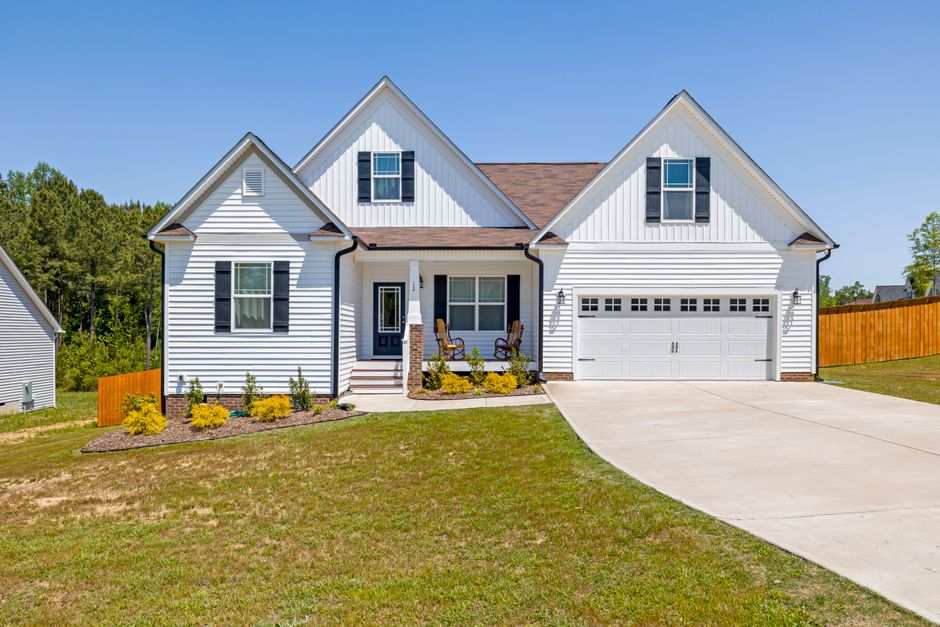
Asphalt is almost always cheaper to install. In 2026 expect $4–$8 per square foot for asphalt versus $6–$12 for standard concrete. For a 600 sq ft driveway, that is roughly $2,400–$4,800 for asphalt against $3,600–$7,200 for concrete. Decorative concrete finishes such as stamping or staining can push the price beyond $18 per square foot.
Lifespan and Durability
Concrete typically lasts 30–40 years, while asphalt lasts 15–25 years before needing replacement. Concrete resists heavy loads and rutting better, but asphalt flexes with ground movement, making it more forgiving in freeze-thaw regions when properly maintained.
Climate Considerations
Climate should heavily influence your choice:
- Hot climates (Australia, US Sun Belt): asphalt can soften and rut; concrete stays firm and reflects heat
- Cold climates (Canada, northern US, UK): asphalt handles freeze-thaw and road salt better; concrete can spall
- Wet climates: both need good drainage, but concrete resists standing-water damage longer
Maintenance Requirements
Asphalt needs sealcoating every 3–5 years at $0.15–$0.25 per square foot and periodic crack filling. Concrete needs far less attention — an occasional degreasing and resealing every 5–10 years — but repairs are costlier and harder to blend when they do happen.
Appearance and Customization
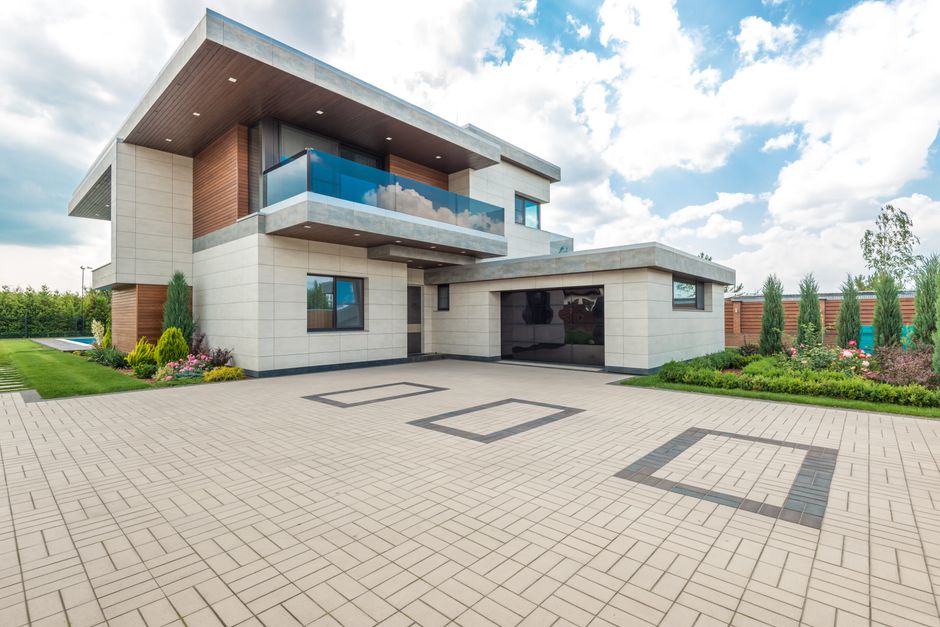
Concrete wins on aesthetics. It can be stamped, stained, brushed, or exposed-aggregate finished to mimic stone or brick. Asphalt comes in one color — black — that fades to gray, though it delivers a clean, uniform look that suits traditional and modern homes alike.
Repair and Resale
Asphalt is easier and cheaper to patch, and a fresh sealcoat instantly renews its appearance before a sale. Concrete repairs are more visible but the surface’s longevity and premium finishes tend to add slightly more to appraised value in most markets.
Which Should You Choose?
- Pick asphalt if: you want the lowest upfront cost, live in a cold or freeze-thaw region, and don’t mind periodic sealing
- Pick concrete if: you want maximum lifespan, decorative options, low routine maintenance, and live in a hot or mild climate
Installation Time and Curing
Installation speed differs meaningfully between the two. Asphalt is faster to lay and cures quickly, meaning you can often use the driveway within a day or two. Concrete takes longer to place and finish, and it must cure for about a week before light use and roughly a month to reach full strength. If minimizing downtime matters — for instance, if you have limited alternative parking — asphalt has a clear practical advantage.
Environmental and Efficiency Factors
Concrete’s lighter color reflects sunlight, reducing the heat-island effect and keeping surfaces cooler underfoot, a real benefit in hot climates. Asphalt absorbs heat and can soften in extreme temperatures. On the recycling front, asphalt is one of the most recycled materials in the world and old asphalt is routinely reclaimed, while concrete can also be crushed and reused as aggregate. Permeable versions of both exist for homeowners concerned about stormwater runoff and local drainage regulations.
Total Cost of Ownership
The smartest way to compare the two is over the full life of the driveway, not just the day of installation. Asphalt’s lower upfront price is partly offset by sealcoating every few years and a shorter replacement cycle. Concrete costs more initially but its longevity and minimal maintenance often make it cheaper per year of service. Run the numbers over 25 years — including sealing, repairs, and eventual replacement — to see which truly costs less for your situation and climate.
Conclusion
There is no universal winner in the concrete-versus-asphalt debate — the right surface depends on your climate, budget, and how long you plan to stay. Asphalt offers the best value and cold-weather flexibility, while concrete rewards patient owners with decades of low-maintenance service and superior curb appeal. Weigh the total cost of ownership, not just the install price, and get local quotes for both before committing.