Exterior Color Schemes 2026: Trending Palettes for Curb Appeal
Color is the single most powerful—and affordable—way to transform your home’s exterior. The right palette highlights architecture, boosts curb appeal, and can even lift resale value, while the wrong one dates a home instantly. Whether you are repainting or choosing colors for new siding, these 2026 exterior color schemes and pairing principles will guide you to a facade you will love for years.
How to Build an Exterior Color Scheme
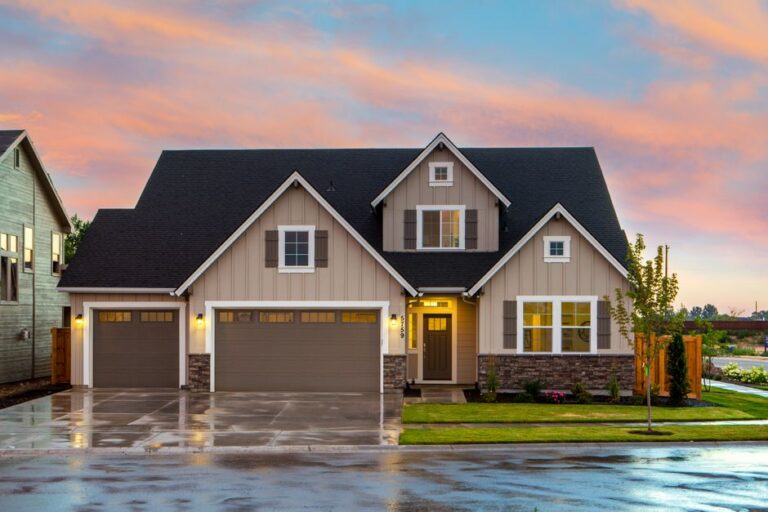
A cohesive exterior uses three coordinated colors: a field color (the main siding), a trim color (windows, corners, fascia), and an accent color (the front door and shutters). A common ratio is roughly 60% field, 30% trim, and 10% accent. Getting these proportions right is the secret to a balanced, professional look.
Trending 2026 Exterior Palettes
- Warm neutrals: Greige, mushroom, and soft taupe with crisp white trim.
- Moody darks: Charcoal, black, and deep forest green for modern drama.
- Earthy naturals: Sage, clay, and warm browns echoing nature.
- Classic white and off-white: Timeless, bright, farmhouse-friendly.
- Blue-gray: Slate and dusty blue for a fresh, calming curb presence.
Choosing the Right Field Color
Your main siding color sets the tone. Lighter shades make homes feel larger and reflect heat—good for hot climates. Darker shades feel modern and dramatic but absorb heat and show fading faster on sun-exposed walls. Always test large samples on multiple sides of the house, since light changes color dramatically throughout the day.
Trim and Accent Pairings
- Dark siding + white trim: High contrast, crisp, modern farmhouse.
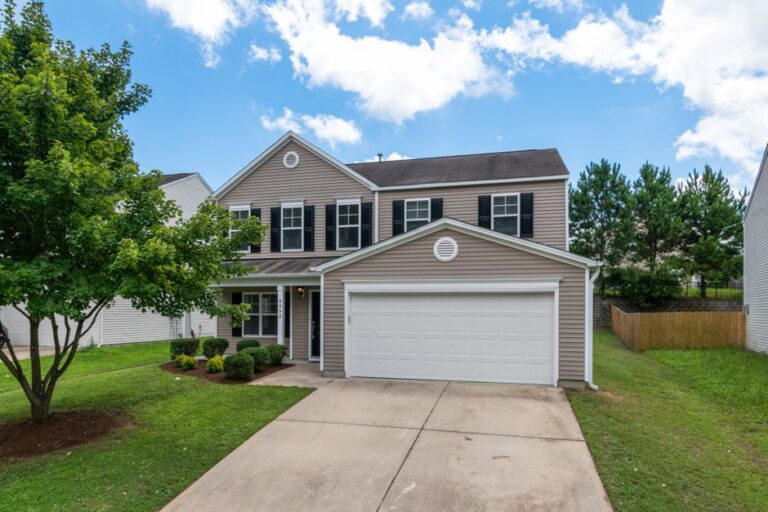
- Greige siding + white trim + black door: Warm, welcoming, timeless.
- Sage siding + cream trim + natural wood door: Organic and inviting.
- White siding + black trim: Bold, contemporary, high-impact.
Front Door: Your Best Accent Opportunity
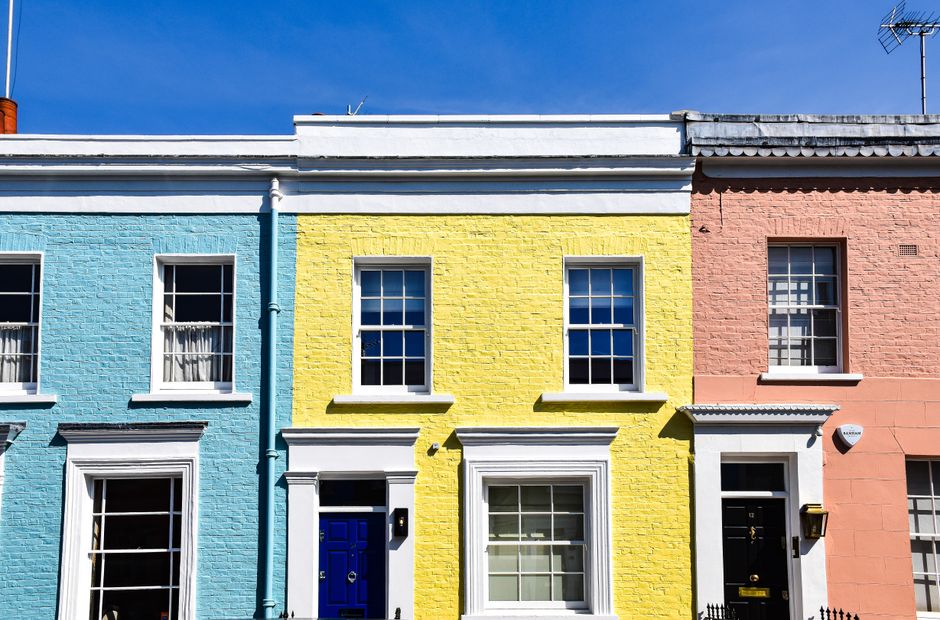
The front door is where you can be bold. A saturated red, navy, teal, or cheerful yellow draws the eye and expresses personality without committing the whole house to a strong color. Because it is a small area, repainting the door later is quick and cheap—making it the perfect place to experiment.
Consider Your Home’s Fixed Elements
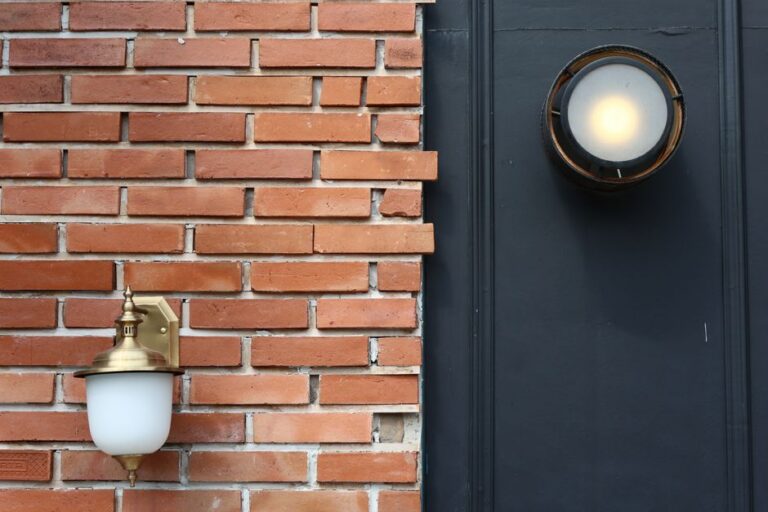
Your roof, stone or brick accents, and hardscaping have colors you cannot easily change. Pull your palette from these fixed elements—matching undertones (warm vs cool) ensures harmony. A warm-toned brick pairs beautifully with earthy neutrals, while a cool gray roof suits blue-grays and charcoals.
Neighborhood and Resale Considerations
Bold, unusual colors express individuality but can hurt resale if they clash with the neighborhood. If you may sell soon, favor broadly appealing neutrals with a tasteful accent. Check for any HOA or local rules on exterior colors before committing, especially in planned communities across the US, UK, Canada, and Australia.
Using Color to Enhance Architecture
Strategic color can flatter or downplay your home’s features. Painting trim a contrasting color emphasizes attractive windows and rooflines. Painting downspouts and utility boxes to match the siding makes them disappear. A darker base with lighter upper stories can visually ground a tall home, while consistent light tones make a small home feel larger. Think of color as a tool to guide the eye toward your home’s best features and away from its flaws.
Warm vs Cool Undertones
Every color has an undertone, and mixing warm and cool undertones is the most common palette mistake. Warm grays (greige) pair with beige, cream, and warm brick; cool grays pair with blue, crisp white, and gray stone. Before committing, identify the undertones of your fixed elements—roof, brick, stone, and paving—and build a palette that shares the same temperature. This single principle separates harmonious exteriors from ones that feel subtly “off.”
Testing Colors the Right Way
Never choose exterior colors from a small paint chip. Buy sample quantities and paint large swatches (at least 2×2 feet) on multiple walls, then observe them at morning, midday, and evening, and in both sun and shade. Colors shift dramatically outdoors and appear lighter over a large area than on a chip. Living with samples for a few days prevents expensive regret—repainting a whole house is far costlier than a few sample pots.
Frequently Asked Questions About Exterior Color Schemes
How many colors should an exterior have?
Three coordinated colors work best: a field color for the siding, a trim color for windows and edges, and an accent color for the door and shutters. A rough 60/30/10 ratio keeps the look balanced and professional.
Do dark exterior colors fade faster?
Yes, darker colors absorb more UV and heat and tend to fade sooner on sun-exposed walls. Modern fade-resistant paints and pigments help, but expect south- and west-facing walls to need refreshing before shaded elevations.
What exterior colors are most popular in 2026?
Warm neutrals like greige, moody darks such as charcoal and forest green, earthy naturals like sage and clay, classic whites, and blue-grays are all trending, usually paired with crisp white or black trim.
How do I pick a color that won’t hurt resale?
Favor broadly appealing neutrals for the main color with a tasteful accent door, coordinate undertones with fixed elements like roof and brick, and check any HOA rules before committing.
Conclusion
A thoughtful exterior color scheme is the highest-impact, lowest-cost way to refresh your home. Build around a field, trim, and accent color; draw undertones from fixed elements like roof and brick; and lean on 2026’s warm neutrals, moody darks, and earthy naturals for a timeless yet current look. Always test large samples in real light, and save your boldest color for the front door.